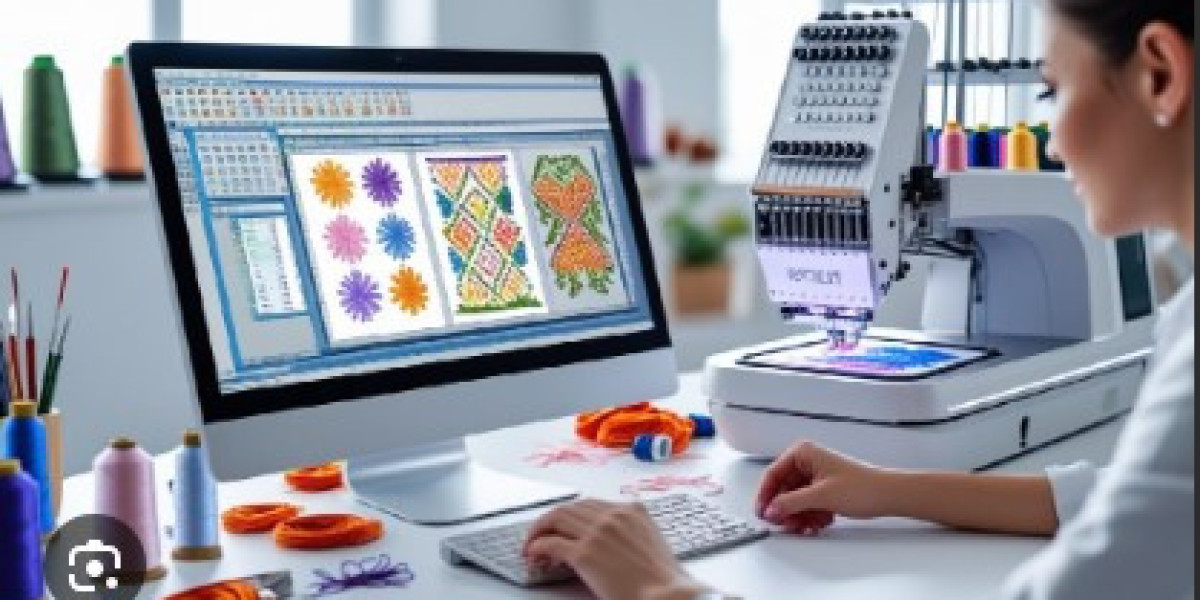

In today’s digital world, clean and scalable artwork matters more than ever. Whether you are printing on shirts, engraving on products, or using designs for marketing, quality makes the difference. That is why Vector Art Services are so important. Vector files stay sharp at any size. They do not blur or break like low-quality images. If you want artwork that looks professional everywhere, vector art is the right choice.
This guide will walk you through everything you need to know. We will cover what vector art is, why it matters, how the process works, and when you should use professional help. The tone is simple. The advice is practical. And the goal is to help you get high-quality output every time.
What Is Vector Art?
Vector art is artwork made using paths, points, and shapes. It is not made of pixels. That is the key difference.
Raster vs Vector Art
Raster Images
Raster images are made of pixels. JPG, PNG, and BMP files fall into this group. When you zoom in, pixels become visible. The image looks blurry or jagged.
Vector Images
Vector images are built using math. Lines and curves stay smooth at any size. You can scale them up or down without losing quality.
Common Vector File Formats
- AI
- EPS
- SVG
- PDF (vector-based)
- CDR
These formats are widely used in printing, embroidery, signage, and branding.
Why Vector Art Matters for High-Quality Output
Low-quality artwork leads to poor results. Colors bleed. Edges look rough. Details get lost.
Vector art solves these problems.
Clean Lines and Sharp Edges
Vector designs have smooth edges. This makes them perfect for printing, cutting, and engraving.
Unlimited Scaling
You can use the same design for a business card or a billboard. The quality stays the same.
Better Color Control
Vector files allow precise color control. This is important for brand consistency.
Compatibility with Machines
Most professional machines need vector files. This includes printers, plotters, laser cutters, and embroidery machines.
Industries That Rely on Vector Art Services
Vector art is used across many industries. Each one needs accuracy and consistency.
Printing and Apparel
- T-shirts
- Hoodies
- Caps
- Uniforms
Screen printing and DTG printing both need clean vector files.
Embroidery Digitizing
Vector art is often the first step before embroidery digitizing. Clean artwork leads to better stitch results.
Signage and Vinyl Cutting
Signs, decals, and stickers require vector paths for cutting.
Marketing and Branding
Logos, flyers, banners, and social media graphics all benefit from vector designs.
The Vector Art Conversion Process
Professional vector art is not just auto-tracing. It is a skilled process.
Step 1: Artwork Review
The designer checks the original image. They look at resolution, details, and complexity.
Step 2: Manual Redrawing
Using design software, the artwork is redrawn by hand. Paths are placed carefully. Shapes are refined.
Step 3: Color Correction
Colors are adjusted for accuracy. Pantone or CMYK values may be applied.
Step 4: Line and Curve Smoothing
Edges are cleaned. Curves are balanced. Extra points are removed.
Step 5: Final Quality Check
The file is tested at different sizes. Output compatibility is checked.
Benefits of Professional Vector Art Services
DIY tools exist. But they often fall short. Professional work offers clear advantages.
Accuracy and Detail
Professionals understand shape balance. They know how to preserve fine details.
Clean and Editable Files
You get files that are easy to edit and reuse in the future.
Time Savings
You avoid trial and error. The job gets done right the first time.
Production-Ready Output
Files are ready for printing, embroidery, or cutting without issues.
Common Problems Fixed by Vector Art
Many clients come with problem files. Vector services fix these issues.
Blurry Logos
Old logos saved as JPG files lose quality. Vector redraw restores sharpness.
Pixelated Images
Low-resolution images cannot be used for printing. Vector conversion solves this.
Color Mismatch
Wrong colors hurt branding. Vector files allow precise color control.
Jagged Edges
Rough outlines are cleaned and smoothed in vector format.
Types of Vector Art Services
Not all vector work is the same. Different needs require different approaches.
Logo Vectorization
Logos are redrawn for clean and scalable use.
Image to Vector Conversion
Photos or artwork are converted into vector shapes.
Line Art Creation
Perfect for engraving, cutting, and single-color prints.
Color Separation
Used for screen printing and multi-color designs.
Text and Font Recreation
Missing fonts are recreated as vector outlines.
When Should You Use Vector Art Services?
Not every project starts with perfect artwork. Here are common cases where vector help is needed.
Before Printing
Printers often ask for vector files. This avoids delays and errors.
Before Embroidery Digitizing
Clean vector art improves stitch quality and reduces issues.
When Rebranding
Old artwork may not meet modern standards. Vector updates help.
For Large-Scale Projects
Banners, signs, and displays need scalable designs.
How to Choose the Right Vector Art Provider
Not all services deliver the same quality. Choose wisely.
Look for Experience
Years of hands-on work matter. Experienced designers spot problems early.
Check Sample Work
Samples show quality, consistency, and attention to detail.
Ask About File Formats
Make sure they deliver the formats you need.
Turnaround Time
Fast service matters, but quality should come first.
Communication
Clear updates and revisions build trust.
EEAT: Why Trust Matters in Vector Art Services
Trust is important in design services. Poor files cost time and money.
Experience
Professionals have worked with real-world printing and embroidery needs.
Expertise
They understand machines, materials, and production limits.
Authority
Reliable services are trusted by brands and businesses.
Trustworthiness
Clear pricing, honest feedback, and consistent results build confidence.
Tips to Get the Best Results from Vector Art
You can help the process by preparing well.
Provide the Best Source File
Even if it is low quality, send the original version you have.
Explain the End Use
Tell the designer how the artwork will be used.
Share Color Details
Brand colors help maintain consistency.
Review Proofs Carefully
Check spelling, shapes, and alignment before final approval.
Final Thoughts
High-quality output starts with high-quality artwork. Vector art is the foundation for clean prints, smooth embroidery, and professional branding. It saves time, reduces errors, and improves results across all uses. If you want designs that look sharp, scale well, and work across platforms, professional vector services are worth it.
For businesses and creators who value quality and reliability, Absolute Digitizer delivers professional vector solutions that are clean, accurate, and ready for production every time.