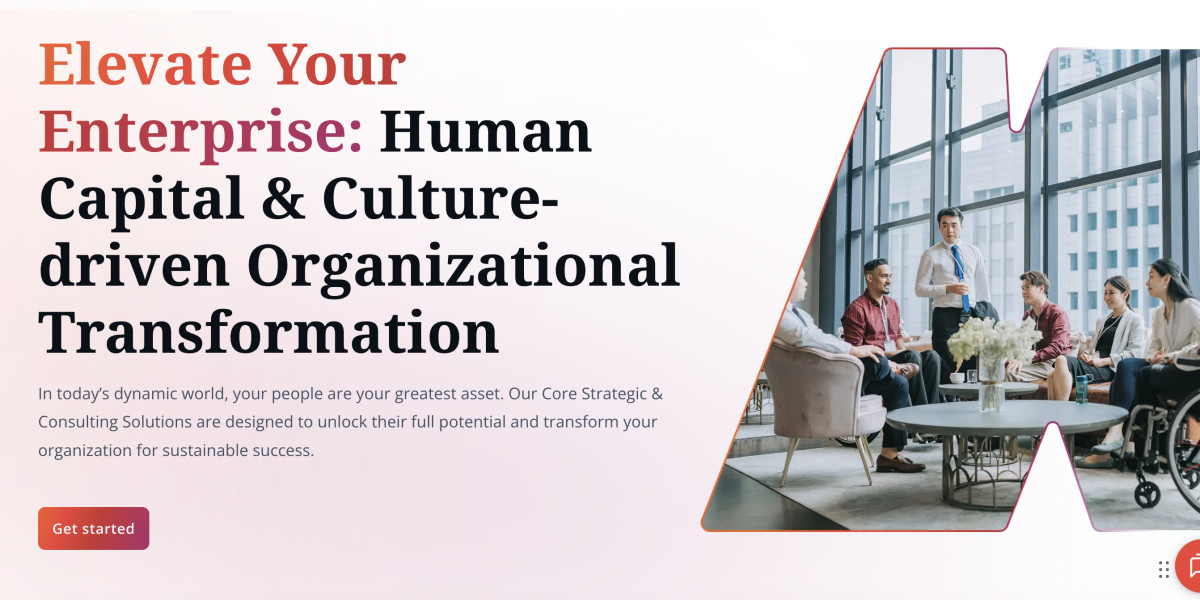

In a business environment where change is constant and competition is global, technology alone is not enough to create a lasting advantage. The real differentiator is people — how they think, adapt, collaborate, and perform. Organizations that invest in structured human capital and culture transformation tend to respond faster to disruption and scale more sustainably. That’s exactly where Core Strategic & Consulting Solutions by Wordsburg come into play.
These solutions are designed to help enterprises build future-ready organizations by aligning workforce capability, culture, and performance with real business goals. Instead of isolated training or one-time consulting projects, the approach focuses on long-term organizational strength and measurable impact.
Why Human Capital Strategy Now Matters More Than Ever
Markets are shifting quickly. Roles are evolving. Skills become outdated faster than most job descriptions can keep up. At the same time, companies face talent shortages, digital transformation pressure, and culture misalignment across distributed teams.
Without a structured strategy, organizations often end up with:
Fragmented learning initiatives
Unclear role definitions
Low adoption of change programs
Skill investments without measurable ROI
Cultural drift during growth or restructuring
A targeted strategic consulting framework helps connect people strategy directly to business outcomes — not as an HR side project, but as a core growth lever.
Build a Future-Ready Organization with Targeted Consulting
Wordsburg’s Core Strategic & Consulting Solutions focus on transforming people, processes, and culture together. The goal is not just improvement — it is readiness. Readiness for change, scale, innovation, and competitive pressure.
The consulting model combines design thinking, agile methods, analytics, and collaborative execution. That means solutions are not imposed from outside; they are built with internal teams so adoption is smoother and results stick longer.
Capability & Skill Transformation
A future-ready organization starts with a future-ready workforce. Capability and skill transformation focuses on aligning employee competencies with evolving market and business needs.
This includes:
Mapping current vs. required skills
Linking capability frameworks to strategic goals
Designing targeted development pathways
Preparing teams for upcoming role shifts
Instead of generic upskilling, the emphasis is on strategic capability alignment — building the exact skills the business will need next, not just what is trending now.
Skill & Training Needs Analysis
Many companies invest heavily in training but struggle to prove impact. A structured skill and training needs analysis changes that by identifying real gaps before solutions are designed.
Using human-centered design and agile assessment approaches, this process:
Diagnoses performance and capability gaps
Identifies priority skill clusters
Directs learning budgets more precisely
Improves effectiveness of training programs
The result is smarter investment and clearer outcomes, rather than training for training’s sake.
Organizational Change Management
Change initiatives often fail not because the strategy is wrong, but because adoption is weak. Organizational Change Management (OCM) addresses the human side of transformation.
This consulting area supports:
Stakeholder alignment
Communication frameworks
Resistance management
Adoption planning
Leadership enablement
With structured change frameworks and guided facilitation, transitions become more predictable and less disruptive. Teams understand not just what is changing, but why and how it affects them.
Culture Acceleration Programs
Culture shapes decision-making, collaboration, and accountability — whether leaders actively manage it or not. Culture acceleration programs help organizations intentionally shape behaviors that support strategy.
These programs typically include:
Culture diagnostics
Behavior mapping
Leadership alignment workshops
Reinforcement mechanisms
Engagement interventions
Rather than slogans or posters, the focus is on embedding practical behaviors into daily work. That’s what turns culture from a buzzword into an operating advantage.