
Starting your first IVF cycle can feel overwhelming. There are medical terms to understand, appointments to attend, medications to manage, and emotions to process. If you’re preparing for IVF, it’s completely normal to feel a mix of hope, anxiety, and curiosity about what lies ahead.
The good news is that IVF has helped millions of couples worldwide achieve their dream of parenthood. With proper guidance, preparation, and realistic expectations, your first IVF cycle can feel much more manageable.
This guide will walk you through everything you should know before beginning your first IVF cycle—from medical preparation to emotional readiness—so you can move forward with clarity and confidence.
Understanding What IVF Really Is
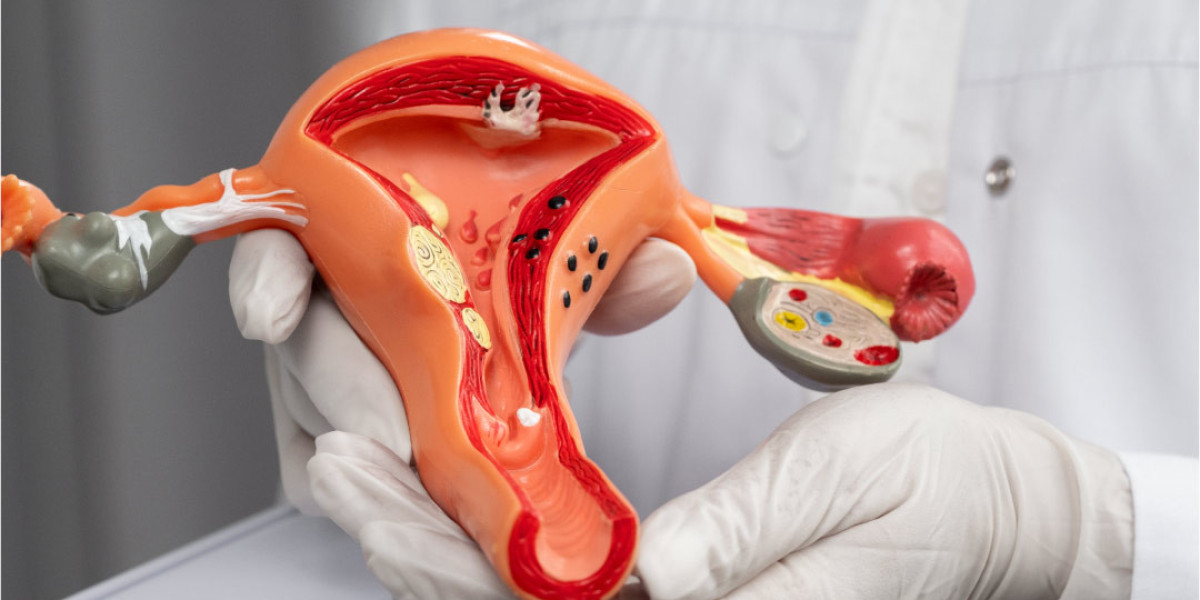
IVF (In Vitro Fertilisation) is an assisted reproductive technology where eggs are retrieved from the ovaries, fertilised with sperm in a laboratory, and then transferred back into the uterus.
Unlike natural conception, fertilisation happens outside the body under controlled laboratory conditions. Once a healthy embryo develops, it is placed in the uterus to implant and grow naturally.
IVF is commonly recommended for:
Blocked or damaged fallopian tubes
Severe male infertility
Endometriosis
Advanced maternal age
Unexplained infertility
Failed previous fertility treatments
Understanding why IVF is recommended in your case helps reduce uncertainty and builds trust in the process.
Step 1: Comprehensive Fertility Evaluation
Before your IVF cycle begins, your fertility specialist will conduct a detailed evaluation. This ensures that IVF is the most appropriate treatment and allows your doctor to customise your protocol.
Common tests include:
Hormone level testing
Ultrasound for ovarian reserve
Semen analysis
Uterine health assessment
Infectious disease screening
Some couples may have explored options like IUI Treatment in Chandigarh before considering IVF. If previous treatments were unsuccessful, IVF often offers higher success rates due to its controlled fertilisation process.
Step 2: Ovarian Stimulation – Preparing Your Body
In a natural cycle, a woman typically releases one egg per month. During IVF, fertility medications are used to stimulate the ovaries to produce multiple mature eggs.
You’ll receive hormone injections for around 8–12 days. Your doctor will closely monitor your response through:
Blood tests
Ultrasound scans
The goal is to produce healthy, mature eggs while minimising side effects. Mild bloating and hormonal mood changes are common during this stage.
Following medication instructions carefully is essential for optimal results.
Step 3: Egg Retrieval Procedure
Once your eggs are mature, a trigger injection is administered to prepare them for retrieval. Egg retrieval is a minor surgical procedure performed under mild sedation.
During the procedure:
A thin needle guided by ultrasound retrieves eggs from the ovaries
The process typically takes 15–30 minutes
Most patients go home the same day
You may experience mild cramping or spotting afterward, but recovery is usually quick.
Step 4: Fertilisation and Embryo Development
After retrieval, eggs are fertilised with sperm in a laboratory. Fertilisation can occur through conventional IVF or ICSI (Intracytoplasmic Sperm Injection), depending on sperm quality.
The fertilised eggs are monitored as they develop into embryos over several days. Embryologists assess embryo quality to select the best candidate for transfer.
Advancements in lab technology have significantly improved embryo selection and success rates.
Step 5: Embryo Transfer
Embryo transfer is a simple and painless procedure. A thin catheter is used to place the selected embryo into the uterus.
Unlike egg retrieval, this step does not require anaesthesia and usually takes just a few minutes.
After transfer:
You may rest briefly
Normal daily activities can usually resume
Your doctor may prescribe progesterone support
The next 10–14 days, often called the “two-week wait,” can feel emotionally intense as you wait for the pregnancy test.
Understanding IVF Success Rates
Success rates vary depending on factors such as:
Age
Egg quality
Sperm health
Underlying fertility conditions
Clinic expertise
Younger women generally have higher success rates due to better egg quality. However, many other factors contribute to outcomes.
Choosing a reputable IVF Centre in Chandigarh with experienced specialists and advanced lab facilities can significantly impact your chances of success.
Emotional Preparation Is Just as Important
IVF is not only a medical journey—it’s an emotional one. Hormonal changes, high expectations, and waiting periods can cause stress.
Helpful emotional preparation strategies include:
Open communication with your partner
Joining fertility support groups
Practising stress-reduction techniques
Setting realistic expectations
Remember that it’s normal to feel hopeful one day and anxious the next. Emotional ups and downs are part of the process.
Lifestyle Adjustments Before IVF
Preparing your body for IVF improves outcomes. Small lifestyle changes can make a meaningful difference.
Before your cycle:
Maintain a healthy weight
Eat a balanced, nutrient-rich diet
Avoid smoking and alcohol
Get adequate sleep
Limit caffeine
Men should also focus on improving sperm health through healthy lifestyle habits.
Financial Planning and Transparency
IVF is an investment, and financial clarity is important before beginning treatment.
Costs may include:
Medications
Monitoring appointments
Egg retrieval
Lab procedures
Embryo freezing (if needed)
Many clinics offer transparent cost breakdowns and counselling sessions to help couples plan effectively.
Common Myths About First IVF Cycles
There are many misconceptions about IVF that can create unnecessary fear.
IVF is always painful: Most procedures are minimally invasive.
IVF guarantees pregnancy: While success rates are high, multiple cycles may be required.
You must stay in bed after embryo transfer: Normal light activity is usually safe.
Understanding the facts helps reduce anxiety.
What If the First Cycle Doesn’t Work?
It’s important to understand that IVF sometimes requires more than one attempt. If your first cycle is unsuccessful, your doctor will review results and adjust your treatment plan.
Improvements may include:
Adjusting stimulation protocols
Testing for implantation issues
Considering embryo freezing and transfer timing
Many successful pregnancies happen after refining the approach.
Questions to Ask Your Fertility Specialist
Before starting your first IVF cycle, consider asking:
What is my estimated success rate?
What side effects should I expect?
How many embryos will be transferred?
What support is available during treatment?
What are the backup options if the first cycle fails?
Clear communication builds confidence and trust.
Final Thoughts: Moving Forward With Confidence
Your first IVF cycle marks a significant step toward parenthood. While it may feel complex at first, understanding each stage helps reduce uncertainty.
Preparation, realistic expectations, emotional support, and choosing the right fertility centre all contribute to a smoother journey.
IVF is not just a medical procedure—it’s a pathway filled with hope. With the right guidance and mindset, many couples successfully achieve their dream of starting or growing their family.