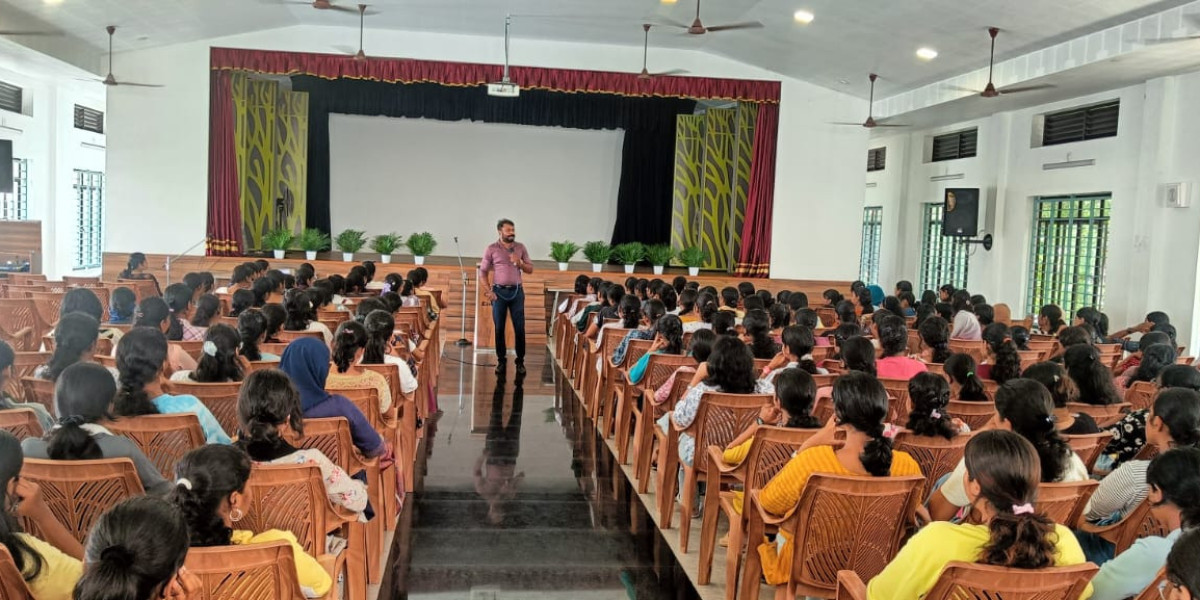

In Kerala, where academic excellence is deeply valued, integrated courses have become an increasingly attractive option for ambitious students. These programs sync regular academics with competitive exam strategies, providing a holistic framework that helps learners stay ahead of the competition. In this blog, we will explore what an Integrated course in Kerala means, its advantages, how it works, and how students can decide if it is right for them.
What Is an Integrated Course?
An integrated course is an academic approach that combines regular school syllabus learning (such as the Class 11 and 12 curriculum) with competitive exam preparation (like NEET, JEE, KEAM, or other entrance tests) in a single seamless program.
Instead of preparing for competitive exams separately, students pursue both academic milestones and competitive readiness together through a synchronized schedule.
For instance, instead of completing Class 11 and Class 12 school studies first, then starting competitive preparation from scratch, integrated courses help students blend both stages — significantly reducing pressure and improving overall performance.
Why Integrated Courses Are Gaining Popularity in Kerala
Kerala is known for its high literacy rate, emphasis on education, and competitive academic environment. Integrated courses have emerged here as a smart alternative to traditional coaching for several reasons:
1. Early and Sustained Preparation
Students preparing early for competitive exams tend to develop stronger foundations in conceptual learning. An integrated course starts early — usually from Class 11 or sometimes even before — which fosters comfort with basic concepts before progressing to higher-order applications.
This early start gives students:
Time to absorb foundational topics
Chances to revise repeatedly
Confidence in advanced problem solving
2. A Structured and Unified Approach
One of the biggest challenges in exam preparation is managing school studies alongside competitive preparation. Integrated programs eliminate this conflict by synchronizing the school and competitive curriculum within a single plan.
Students can follow a roadmap that:
Saves time
Prevents syllabus backlog
Reduces last-minute exam stress
3. Integrated Learning Builds Confidence
In competitive exams, confidence comes from consistency. Integrated courses encourage steady progress rather than rushed revision in the final months before an exam. This steadiness builds strong confidence and decreases anxiety.
4. Boosting Performance Through Regular Practice
Traditional coaching often focuses on short courses or last-minute crash programs. Integrated batches, by contrast, encourage ongoing practice — including quizzes, unit tests, topic-wise mock exams, and full-length practice tests. This continuous evaluation improves accuracy and speed.
The Structure of an Integrated Course in Kerala
Different institutes may design their integrated programs in unique ways, but most share several core elements:
1. Curriculum Integration
The syllabus is mapped in such a way that competitive exam topics are introduced alongside regular academics. For example:
In Class 11 Physics, students learn school curriculum topics while also solving competitive-pattern problems on the same concept.
Class 12 Chemistry preparation includes exam-oriented strategies while finishing school boards topics.
This alignment ensures students aren’t learning the same subject twice in isolation — the process becomes more efficient.
2. Layered Test Series
An effective integrated course includes multiple levels of testing:
Topic-wise quizzes for regular concepts
Unit tests to evaluate comprehension
Full-length mock exams to simulate competitive exam conditions
Each test is followed by performance analysis so students understand their weak areas and can improve systematically.
3. Revision and Doubt-Clearing Sessions
Revision sessions help reinforce topics, while doubt-clearing classes ensure that students aren’t left confused on vital concepts. These sessions are scheduled regularly throughout the course — not just toward the end.
4. Mentoring and Planning
Integrated programs often assign mentors to guide students throughout the preparation period. Mentors help with:
Study plans
Time management
Stress management
Weekly or monthly progress review
This personalised attention gives each student direction and focus.
Starmount Elite Integrated Batch — A Strong Example in Kerala
Among the coaching centres offering integrated programs in Kerala, the Starmount Elite Integrated Batch stands out as a structured and effective model.
Comprehensive Long-Term Preparation
Starmount’s integrated batch is designed to cover the entire academic and competitive syllabus over an extended period. Instead of rush preparation in the final year alone, this type of course starts earlier, often around Class 11 or even before, and progresses with students.
This allows:
Concept building from basics to advanced level
Regular practice and revision
Confidence through continuous learning
The integrated batch bridges school learning with exam-oriented application, helping students stay on top of both.
Strategic Test Series and Analysis
Mock tests are a key highlight of Starmount’s approach. These practice exams are scheduled at regular intervals and closely mirror actual competitive exams. After each test, students receive performance analysis — enabling them to track improvements and work on weaker areas.
This test-based strategy helps students manage time pressure and exam anxiety effectively — an essential skill for high-stakes competitive tests like NEET and JEE.
Mentorship and Faculty Support
One feature that sets integrated courses apart is mentorship. In the Elite Integrated Batch, experienced faculty members guide students not just academically, but also through scheduling, motivation, and exam mindset. This holistic approach helps maintain consistency and growth throughout the course, rather than creating stress near the end.
Benefits of Choosing an Integrated Course in Kerala
Here are some clear advantages students experience through an integrated program:
Better Time Management
Students learn how to balance school studies and competitive preparation without sacrificing either. Time management becomes a learned skill, not a last-minute struggle.
Reduced Exam Pressure
Instead of cramming a large syllabus in a few months, preparation takes place throughout the year. This reduces stress and boosts confidence.
Stronger Conceptual Foundation
Integrated courses allow more time for conceptual learning and practice. The result — students can solve application-based competitive questions with ease.
Consistent Performance Tracking
Regular assessments and revision schedules help students track progress, polish weak areas, and ensure steady improvement.
Is an Integrated Course Right for You?
While integrated programs offer many advantages, they are best suited for students who:
Are motivated to begin preparation early
Want steady and balanced schedules
Prefer structured coaching and mentorship
Aim for higher ranks in competitive exams
Can commit to consistent study over time
If you prefer starting preparation only in the final year, a short-term or crash course may be more suitable. But if you want confidence, depth, and long-term improvement, an integrated course can offer a clear advantage.
Tips for Success in an Integrated Course
To make the most of your integrated program:
1. Follow a Consistent Study Routine
Stick to the schedule provided by your coaching centre. Consistency converts effort into excellence.
2. Take Mock Tests Seriously
Use them as tools for improvement — not just practice.
3. Engage Actively in Doubt Sessions
Don’t hesitate to ask questions. The sooner you clarify doubts, the better you retain concepts.
4. Balance Academics and Competitive Learning
Don’t ignore school studies — they are part of the integrated roadmap and help in boards as well as in competitive exams.
Final Thoughts
The integrated course in Kerala represents a modern, effective way to prepare for competitive exams without sacrificing school performance. It gives students a structured roadmap, regular practice, continuous evaluation, and mentorship — all essential elements for strong performance in exams like NEET, JEE, or other professional entrance tests.
Institutes like Starmount have shown how a disciplined, long-term program can transform preparation from last-minute stress into a confident, steady journey toward success. If you are serious about your goals and willing to commit early, an integrated program can be your smartest preparation strategy.