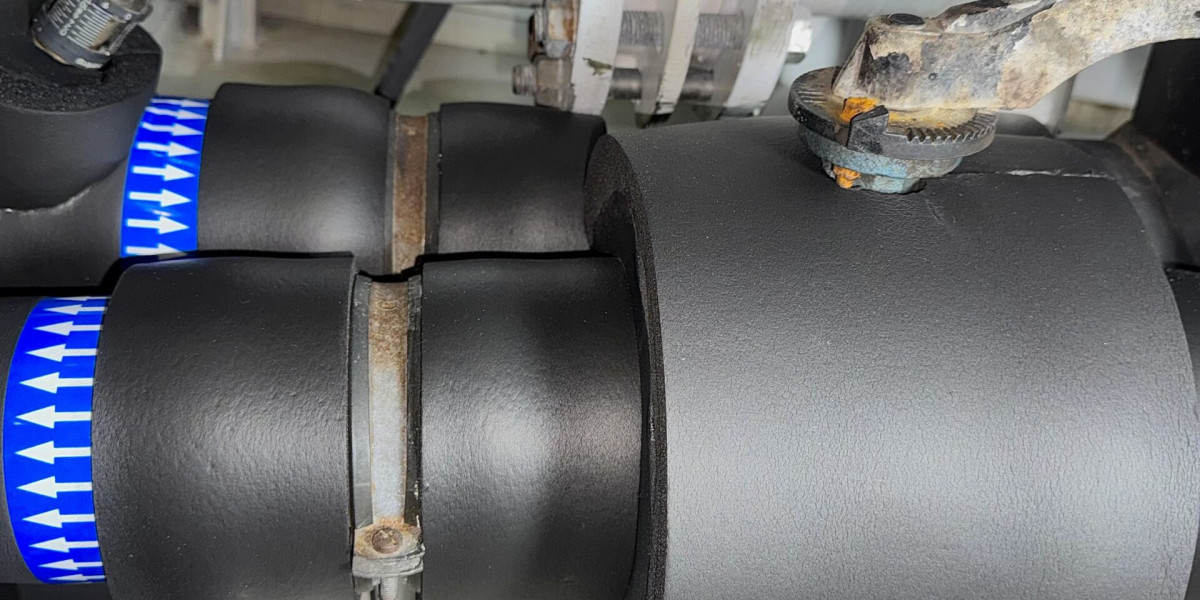

Marine environments have long been the subject of human activity, from shipping to offshore drilling. However, one often overlooked consequence of these activities is noise pollution, which can significantly disrupt the delicate balance of marine ecosystems. Reducing the impact of noise pollution is critical for the preservation of marine life, and effective marine noise insulation is a key solution. This approach not only helps minimize harmful disturbances but also enhances the acoustic environment for both marine life and human occupants in maritime industries.
As global shipping traffic and offshore operations increase, the need for innovative solutions to address marine noise pollution becomes more pressing. Marine soundproofing techniques, when applied strategically, provide a powerful tool to reduce these detrimental effects.
Understanding Marine Noise Pollution
What is Marine Noise Pollution?
Marine noise pollution refers to any unwanted sound introduced into the ocean that interferes with the natural acoustic environment. This can include noise from ships, underwater construction, sonar devices, and oil exploration activities. The frequency and intensity of such noise disrupt the behavior and communication of marine creatures, particularly those that rely on echolocation and sound for navigation, feeding, and social interaction.
From the hum of engines to the deep thrum of seismic surveys, the sounds infiltrate the waters and spread across vast areas, negatively affecting marine species such as whales, dolphins, and fish. Chronic exposure to such disturbances can lead to disorientation, stress, disrupted breeding patterns, and even fatal consequences for some species.
The Role of Marine Soundproofing
To mitigate these negative effects, marine soundproofing technologies are crucial. These techniques focus on limiting the transmission of sound waves through both the structure of vessels and the surrounding environment. By incorporating various insulation materials and strategies, it is possible to greatly reduce the level of noise emitted into the water, helping to preserve marine ecosystems and enhance the quality of life for maritime workers.
Effective Techniques in Marine Noise Insulation
Soundproofing Materials for Marine Use
When it comes to marine noise insulation, the selection of materials is vital. Several innovative options are available that can absorb, block, or reduce sound transmission. These materials are engineered to handle the unique challenges posed by the harsh marine environment, where high humidity and salinity can impact their performance.
1. Acoustic Foam Panels:
These are one of the most widely used materials in marine soundproofing. Acoustic foams absorb sound vibrations, preventing noise from escaping the vessel or structure into the water. These panels are often used in engine rooms, hulls, and on the sides of offshore platforms.
2. Rubber and Composite Materials:
Rubber-based materials are excellent for marine noise insulation due to their elasticity and ability to dampen vibrations. Composite materials, often combining rubber with other acoustic elements, are also highly effective at reducing both airborne and structure-borne noise.
3. Mass-Loaded Vinyl (MLV):
MLV is another material widely used in marine soundproofing. Its dense and flexible properties make it ideal for reducing low-frequency noise that is common in large vessels and machinery. It can be easily applied to walls, floors, and ceilings, preventing sound from traveling through the vessel’s structure.
4. Sound Insulation Blankets:
These specialized blankets, often used in industrial settings, combine multiple layers of sound-dampening material to reduce noise emissions. When applied to engine compartments or other high-noise areas of ships and offshore platforms, they create a barrier that limits sound transmission.
Implementation of Marine Noise Insulation
Effective marine noise insulation requires a thoughtful approach to both materials and placement. Key considerations include the source of the noise, the structure of the vessel or platform, and the type of marine environment in which the equipment operates. For example, ships that regularly travel through busy shipping lanes may require more robust soundproofing solutions than those operating in less trafficked areas.
1. Hull Insulation:
The hull of a vessel is often the primary pathway for noise to escape into the surrounding waters. Insulating the hull with materials like acoustic foam or MLV helps block the transmission of engine noise, preventing disturbances to marine life. This also improves the comfort of those aboard by reducing internal noise levels.
2. Engine Compartment Insulation:
The engine room is a hotspot for noise production, with vibrations traveling throughout the vessel. Installing soundproofing materials around the engine compartment can significantly reduce noise pollution. Soundproofed doors and walls prevent noise from radiating into the surrounding environment.
3. Offshore Platform Noise Control:
For offshore structures like oil rigs, soundproofing is equally crucial. With constant machinery operation, the levels of noise emitted can be immense. Marine noise insulation in these areas focuses on enclosing noisy machinery, utilizing heavy-duty acoustic panels and vibration-damping systems.
The Environmental Benefits of Marine Noise Insulation
Protecting Marine Life
Marine soundproofing plays a critical role in safeguarding marine life. Marine mammals like whales and dolphins rely on sound for communication, navigation, and foraging. Excessive noise disrupts these vital functions, leading to stress, disorientation, and even strandings. By reducing noise pollution, marine noise insulation helps protect these species from harm.
Moreover, noise interference can lead to a breakdown in social structures among marine animals. For example, killer whales rely on complex acoustic signals to communicate within pods, and excessive noise can fracture these bonds. By implementing noise-reducing solutions, we ensure that these natural behaviors are preserved.
Enhancing Maritime Industry Safety
Aside from the environmental advantages, marine noise insulation also improves safety within the maritime industry. Less noise means improved communication among crew members, clearer sonar readings, and a more comfortable working environment. Reducing the levels of noise on board vessels can lead to fewer accidents caused by miscommunication or impaired senses.
Challenges and Future Developments
While marine noise insulation technologies have made significant strides, there are still challenges to overcome. The primary issue remains the cost and complexity of implementing comprehensive soundproofing solutions across an entire fleet or offshore platform. Additionally, not all materials perform well under extreme weather conditions, such as high winds or saltwater exposure.
Innovations in Marine Noise Insulation
The future of marine noise insulation lies in further research and development. New materials that offer even better acoustic performance, durability, and cost-effectiveness are continuously being explored. Additionally, there is an increasing focus on passive soundproofing techniques, such as hull designs that naturally absorb sound, reducing the need for additional materials.
Conclusion: The Need for Action
Reducing the impact of noise pollution in marine environments is essential for the health of marine ecosystems and the people who rely on them. Effective marine noise insulation, from soundproofing materials to structural innovations, offers a tangible solution to this growing issue. By continuing to invest in and improve these techniques, we can ensure a quieter, safer, and more sustainable marine environment for generations to come.