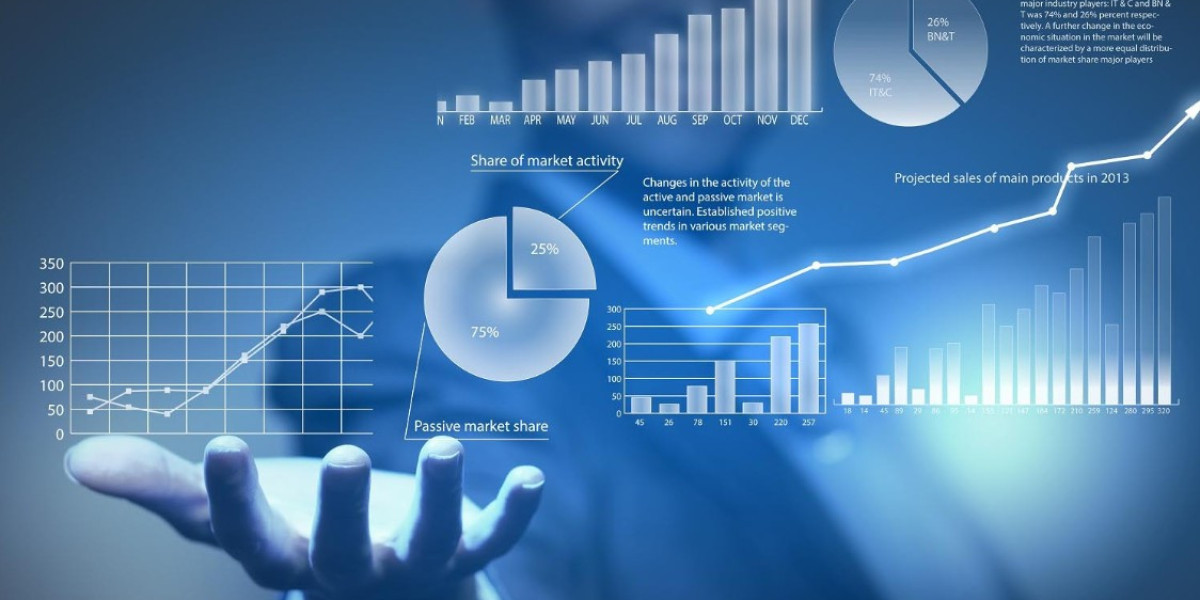

In the modern corporate landscape, we often hear the phrase that data is the new oil. It is a compelling metaphor, but it misses a crucial nuance. Crude oil, in its raw state, is messy, toxic, and difficult to transport. It only becomes valuable after it has been refined into fuel, plastic, or energy.
The same logic applies to corporate data. Indonesian enterprises are currently drowning in a sea of raw information. Every customer transaction, website click, inventory movement, and employee interaction generates a digital footprint. However, for many organizations, this accumulation of data is not an asset; it is a liability. It sits in isolated servers, unstructured and silent, costing money to store without generating a single Rupiah of value.
The challenge facing Chief Information Officers and business leaders today is not how to collect more data. The challenge is how to refine that raw chaos into clear and actionable intelligence. This is the domain of modern IT Data Solutions. It is the architectural discipline of organizing, processing, and analyzing information to drive faster and more accurate decision making.
The Silent Killer: Breaking Down Data Silos
The most significant barrier to becoming a data driven organization is the existence of data silos. In a typical company, the sales department uses a Customer Relationship Management or CRM system. The finance team uses an accounting software. The logistics division uses a separate inventory tracker.
These systems rarely speak to each other. The sales director might celebrate a record breaking month of orders, while the logistics manager is secretly panicking because there is zero stock in the warehouse. Because the data is trapped in separate silos, the management team lacks a unified view of reality. They are navigating a complex market with a fragmented map.
Effective data solutions begin with integration. By implementing a robust data warehouse or a data lake architecture, an enterprise can ingest streams of information from every department into a single source of truth. This consolidation allows for cross functional analysis. It enables the CEO to see the correlation between marketing spend and inventory depletion in real time, fostering a culture of collaboration rather than isolation.
From Hindsight to Foresight: The Evolution of Analytics
Historically, business reporting was a retrospective exercise. At the end of the month, analysts would spend days compiling spreadsheets to tell the board of directors what happened thirty days ago. In a slow moving economy, this was acceptable. In the current fast paced digital ecosystem, looking in the rearview mirror is dangerous.
Modern data solutions shift the focus from descriptive analytics to predictive and prescriptive analytics. It is no longer enough to know that sales dropped last week. The system should tell you why they dropped and predict what will happen next week if no action is taken.
By leveraging advanced algorithms and machine learning models on top of clean data infrastructure, businesses can anticipate trends. A retailer can predict which products will be in high demand during the upcoming holiday season based on historical patterns and current social media sentiment. A manufacturing plant can predict when a machine is likely to fail before it actually breaks, enabling preventative maintenance. This shift from reactive to proactive management is the defining characteristic of a market leader.
The Speed of Thought: Real Time Processing
In the financial sector or digital commerce, the value of data decays rapidly. Knowing that a fraudulent transaction occurred yesterday is useless. Knowing it is happening right now allows the system to block it.
This requirement for speed drives the need for high performance data processing. Traditional batch processing, where data is updated once a night, is being replaced by stream processing. This technology allows data to be analyzed the instant it is created.
For an Indonesian fintech company, this means being able to recalculate a credit score in milliseconds as a user applies for a loan. For a logistics company, it means optimizing delivery routes on the fly as traffic conditions change in Jakarta. Implementing the infrastructure to handle this high velocity data requires specialized expertise, moving beyond standard databases to in memory solutions and high throughput event buses.
Data Sovereignty and Governance
As organizations aggregate more data, the responsibility to protect it grows exponentially. The regulatory landscape in Indonesia has shifted dramatically with the introduction of the Personal Data Protection Law or UU PDP. Data is no longer just a business resource; it is a regulated asset.
A comprehensive data solution is not just about speed and analytics; it is about governance. It requires a framework that tracks who has access to what information. It involves automated masking of sensitive personal identities. It ensures that data lineage is clear, so if an auditor asks where a specific number came from, the answer is immediately available.
Furthermore, data sovereignty requires that critical information resides within national borders. Building a compliant data infrastructure means selecting partners and technologies that respect local regulations while still providing world class performance. It bridges the gap between legal compliance and technical innovation.
The Human Element: Data Visualization
Finally, the most sophisticated backend infrastructure is useless if the end user cannot understand the output. The final mile of any data solution is visualization. It is the art of presenting complex datasets in intuitive and interactive dashboards.
Executive decision makers do not want to read SQL queries. They want to see visual trends. They want to be able to drill down from a global view to a regional view with a single click. Effective data visualization empowers non technical staff to ask questions of the data without needing to submit a ticket to the IT department. It democratizes intelligence, allowing a branch manager in Surabaya to make the same quality of data backed decisions as the strategy director in Jakarta.
Partnering for Intelligence
The journey from data chaos to data clarity is complex. It involves modernizing legacy systems, ensuring strict security, and implementing advanced analytics tools. It is not a project that can be solved by simply buying a software license. It requires a partner with deep architectural expertise and a strategic understanding of the Indonesian market.