
Nobody enjoys eating cold food when it should be steaming and fresh from cooking. Serving food hot requires understanding how heat escapes and what stops that from happening. Temperature affects taste because our tongues sense flavors differently at various heat levels. Hot food also looks more appetizing with steam rising and colors staying vibrant longer. Small mistakes during plating or transport can ruin perfectly cooked dishes in just minutes. Learning simple tricks keeps everything at an ideal eating temperature from kitchen to table successfully.
What Preheating Steps Keep Dishes From Stealing Heat?
Cold plates pull heat away from food within seconds of contact between surfaces. Warming plates in an oven set to 200 degrees for 10 minutes works perfectly. Some people run hot water over plates but this leaves moisture behind. Dry heat works better because wet surfaces cool food down even faster surprisingly. Stacking warmed plates together helps them stay hot longer when serving multiple people. Restaurants always preheat plates because they know this trick matters for customer satisfaction. Serving food hot becomes much easier when plates start at the proper temperature already. Testing plate warmth with your hand before plating prevents unpleasant surprises for diners. This one step can add 5 to 7 extra minutes of heat retention.
Why Does Covering Food During Transport Prevent Temperature Loss?
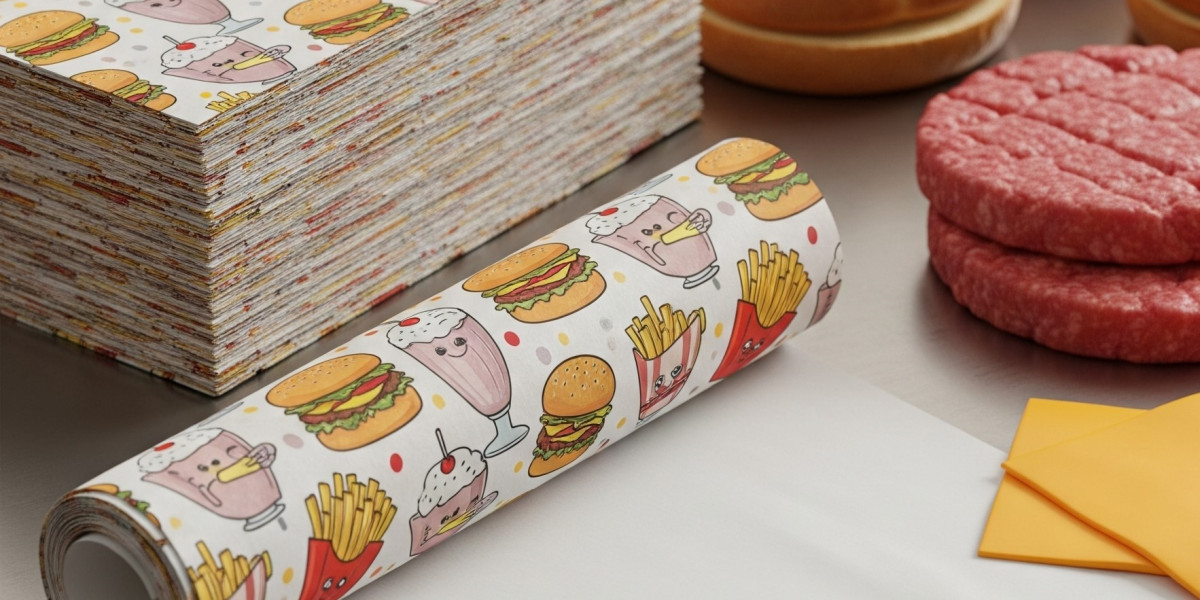
Exposed food loses heat through evaporation and contact with cooler air around it. Lids trap steam which creates a mini warming environment inside serving dishes. Aluminum foil works when you lack proper lids but leave slight gaps for airflow. Food paper can cover individual servings while allowing some moisture to escape naturally. Tight seals cause condensation that makes crispy foods soggy which ruins certain textures. Food covered properly stays 15 to 20 degrees hotter than uncovered items do. Moving dishes quickly from kitchen to dining area also reduces heat loss significantly. People in the CA often use insulated carriers for transporting food to outdoor events. Understanding covering methods helps you pick the right option for each food type served.
How Do Serving Portions Impact How Long Food Stays Hot?
Larger amounts of food retain heat longer than small individual servings do naturally. Piling food high on plates keeps inner layers insulated by outer ones above. Thin layers spread across plates expose more surface area to cooling air continuously. Serving family-style in big bowls maintains temperature better than pre-plated individual dishes do. Each person taking smaller amounts means food in the serving dish stays hotter longer. Printed wax paper separates layers in stacked serving situations while maintaining overall heat nicely. Buffet-style service often fails because food sits exposed for extended periods without protection. Calculating portion sizes based on eating speed helps prevent premature cooling problems effectively. Matching serving size to consumption time makes practical sense for any gathering size.
What Role Does Timing Play Between Cooking and Serving Moments?
Coordinating finish times for different dishes prevents some from getting cold while others cook. Starting slower-cooking items first seems obvious but many people forget this simple fact. Quick-cooking foods should last so everything finishes around the same exact time. Resting meat actually keeps it hot longer than serving it immediately after cooking. Sauces and gravies can wait in warm spots while other components finish up. Writing down finish times for each dish eliminates confusion during busy cooking periods. Serving food hot demands planning backward from desired eating time to start times. Professional kitchens use timers and charts to coordinate complex foods with many parts. Home cooks can copy these methods for better results at their own gatherings.
Why Should You Avoid Room Temperature Ingredients During Final Assembly?
Adding cold toppings or sauces drops overall dish temperature by 10 degrees or more. Cheese from the refrigerator chills pasta underneath it before melting can even start happening. Warming garnishes slightly before adding them prevents this common temperature theft completely. Butter should sit out for 20 minutes before topping hot vegetables or starches. Cold dressings on hot salads create unpleasant temperature contrasts that confuse your mouth. Room temperature additions work better but still pull some heat away from the main dish. WaxPapersHub offers solutions that keep components at ideal temperatures until final plating happens. Thinking about every ingredient temperature matters more than most cooks realize at first. Maintaining heat through assembly requires attention to details others might overlook or ignore.
How Does Serving Vessel Material Affect Heat Retention Over Time?
Ceramic and stoneware hold heat much longer than thin metal or glass plates do. Thick materials act as insulators that slow down temperature transfer to surrounding air. Cast iron serving dishes keep food hot for 30 minutes or longer sometimes. Plastic plates are the worst choice because they provide almost no insulation at all. Wood serves as a decent insulator but absorbs moisture which can cool food down. Metal conducts heat away quickly making it a poor choice despite its durability and looks. Investing in quality serving pieces pays off through better dining experiences for everyone. Serving food hot becomes automatic when you choose the right materials from the start. Different foods pair better with certain materials based on moisture and cooking methods.
What Mistakes Do People Make That Cool Food Down Unnecessarily?
Opening oven doors repeatedly to check food releases huge amounts of heat outside. Stirring too often exposes more surface area to air and speeds the cooling process. Using cold utensils to serve hot food transfers heat into metal tools wastefully. Plating food in cold kitchens instead of near heat sources drops temperature fast. Waiting too long between cooking and eating allows natural cooling that nobody can prevent. Serving food hot requires avoiding these common errors that seem harmless but add up. Taking photos of food before eating might look nice but costs you heat. Restaurants fire dishes right before service for a reason home cooks should remember. Recognizing these mistakes helps you develop better habits that protect food temperature consistently.
Why Does Insulation During Holding Periods Matter For Quality?
Food waiting between cooking and serving needs protection from temperature loss throughout that time. Warming drawers maintain steady heat without continuing to cook food inside them further. Coolers lined with towels can actually keep food hot by trapping existing heat. Double-boiler setups keep sauces and soups at perfect serving temperatures for extended periods. Chafing dishes use small flames or electric heat to maintain warmth during buffet service. Most homes in the CA lack professional warming equipment but creative solutions work fine. Towels wrapped around serving dishes provide surprising amounts of insulation when needed quickly. Understanding insulation principles helps you improvise effective solutions with items you already own. Serving food hot throughout longer events requires active heat management and smart planning always.