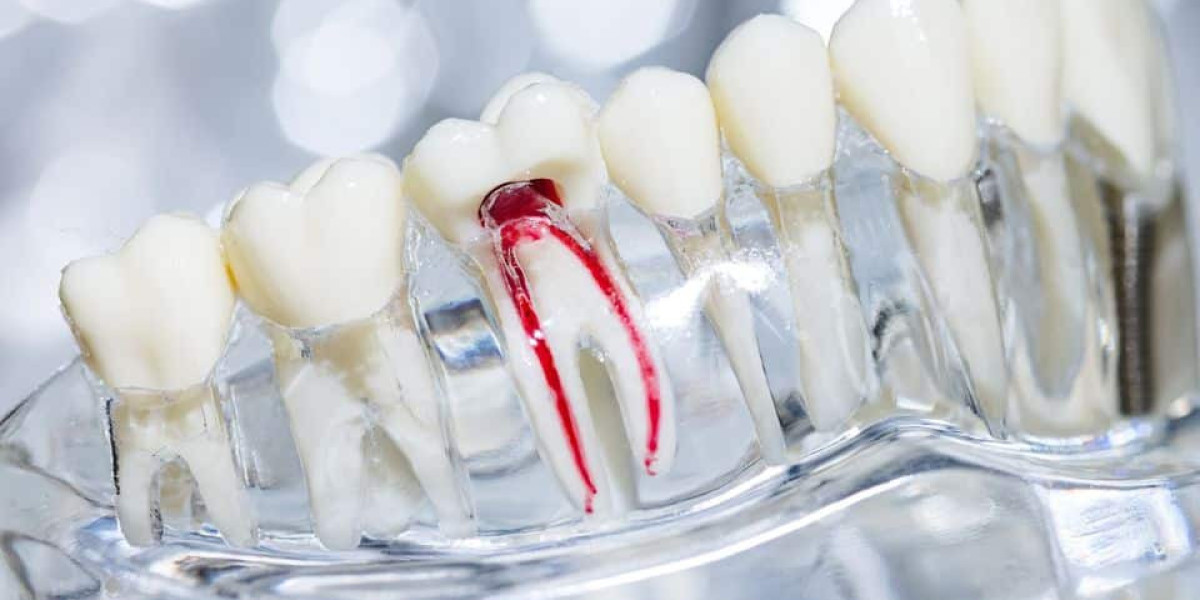

Root canal treatment is one of the most misunderstood dental procedures. For many people, the mere mention of a root canal brings fear and anxiety, often fueled by myths and outdated information. In reality, modern root canal treatment is a safe, effective, and pain-relieving procedure that saves natural teeth and restores oral health. Understanding the signs, the process, and the truth behind common myths can help you approach this treatment with confidence.
What Is Root Canal Treatment?
Root canal treatment is a dental procedure designed to remove infected or damaged pulp from inside a tooth. The pulp contains nerves, blood vessels, and connective tissue. When it becomes infected due to decay, trauma, or cracks, it can cause significant pain and lead to serious complications if left untreated.
Why Root Canal Treatment Is Necessary
When bacteria reach the inner pulp of a tooth, infection can spread quickly. Without treatment, the infection may result in abscess formation, bone loss around the tooth, and even systemic health issues. Root canal treatment removes the source of infection while preserving the natural tooth structure.
Common Signs You May Need a Root Canal
One of the most important steps in protecting your oral health is recognizing the warning signs early. Persistent toothache is one of the most common indicators. The pain may worsen while chewing or applying pressure and can range from mild discomfort to severe throbbing.
Tooth Sensitivity That Lingers
Sensitivity to hot or cold temperatures that lingers long after exposure can indicate pulp damage. If the sensitivity becomes intense or prolonged, it may suggest that the nerve inside the tooth is infected or inflamed.
Swollen or Tender Gums
Swelling or tenderness in the gums near a particular tooth can be a sign of infection. In some cases, a small pimple-like bump may appear on the gums, indicating the presence of an abscess that requires immediate attention.
Tooth Discoloration
A tooth that becomes darker than the surrounding teeth may be suffering from internal damage. Discoloration often occurs when the pulp tissue dies due to trauma or infection, making root canal treatment necessary to prevent further complications.
Understanding the Root Canal Procedure
One of the biggest fears surrounding root canal treatment is the procedure itself. However, modern dental techniques have made the process far more comfortable than many people expect. The procedure typically begins with local anesthesia to numb the affected area.
Cleaning and Removing the Infection
Once the tooth is numb, the dentist creates a small opening to access the infected pulp. The damaged tissue is carefully removed, and the inner canals are cleaned and disinfected to eliminate bacteria. This step is crucial for preventing reinfection.
Filling and Sealing the Tooth
After the canals are thoroughly cleaned, they are filled with a biocompatible material to seal them. This prevents bacteria from re-entering the tooth. The opening is then sealed with a temporary or permanent filling, depending on the treatment plan.
Restoring the Tooth After Treatment
In most cases, a crown is recommended after root canal treatment to restore strength and function to the tooth. Since the tooth no longer contains a nerve, it can become more brittle over time. A crown protects it from fractures and allows normal chewing.
Is Root Canal Treatment Painful?
One of the most common myths is that root canal treatment is extremely painful. In reality, the procedure is designed to relieve pain, not cause it. With modern anesthesia and techniques, most patients report that the experience is no more uncomfortable than getting a regular filling.
Recovery After Root Canal Treatment
Mild discomfort or sensitivity may occur for a few days after the procedure, which can usually be managed with over-the-counter pain relievers. Most patients return to their normal routine quickly and experience significant relief from the pain caused by infection.
Myth: Root Canal Treatment Causes Illness
A long-standing myth claims that root canal treatment can cause systemic illness. This belief is based on outdated research that has been debunked. There is no scientific evidence linking properly performed root canal treatment to other health problems.
Myth: Tooth Extraction Is Better Than a Root Canal
Another misconception is that extracting the tooth is a better option. Preserving your natural tooth is almost always the best choice for maintaining proper bite alignment and jaw health. Root canal treatment allows you to keep your natural tooth while eliminating infection.
Myth: Root Canals Don’t Last Long
With proper care, a tooth that has undergone root canal treatment can last a lifetime. Good oral hygiene, regular dental check-ups, and avoiding excessive force on the treated tooth contribute to long-term success.
Importance of Early Diagnosis
Delaying treatment can allow infection to worsen, increasing the risk of complications and tooth loss. Seeking prompt care from a Dentist St Kilda ensures early diagnosis and effective treatment, minimizing discomfort and preserving your smile.
Who Performs Root Canal Treatment?
General dentists and endodontists are trained to perform root canal procedures. An endodontist specializes in treating the inner structures of teeth and may be recommended for complex cases. Choosing an experienced professional improves treatment outcomes.
Caring for Your Tooth After a Root Canal
Maintaining good oral hygiene is essential after treatment. Brushing twice daily, flossing regularly, and attending routine dental visits help protect the treated tooth and overall oral health. Avoid chewing hard foods on the treated tooth until it is fully restored.
Preventing the Need for Root Canal Treatment
While not all root canal treatments can be prevented, good dental habits significantly reduce the risk. Regular dental check-ups, prompt treatment of cavities, and wearing protective gear during sports help prevent damage that can lead to infection.
When to See a Dental Professional
Any persistent tooth pain, swelling, or sensitivity should be evaluated promptly. Early intervention not only reduces discomfort but also lowers the risk of more extensive and costly treatments. Consulting a trusted St Kilda Dentist helps ensure timely and appropriate care.
Final Thoughts
Root canal treatment is a safe, effective solution for saving infected or damaged teeth. By understanding the signs, the procedure, and the truth behind common myths, you can approach treatment with confidence rather than fear. Modern dentistry has transformed root canal therapy into a comfortable, tooth-saving procedure that restores oral health and preserves your natural smile for years to come.