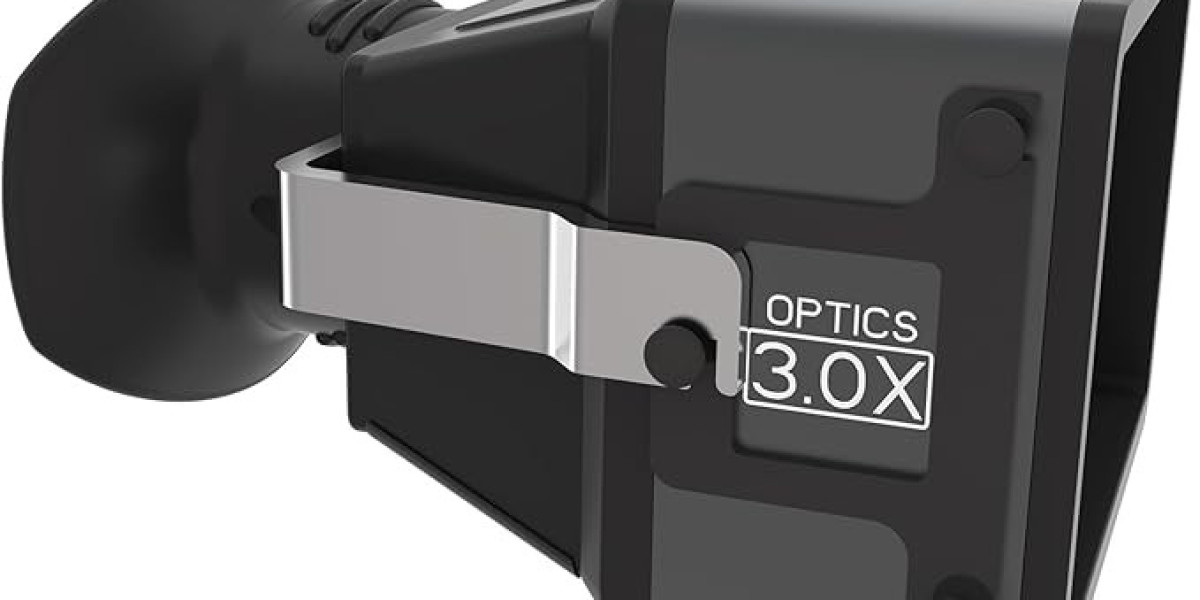

Photographers and videographers often struggle with poor visibility in traditional camera viewfinders, especially under bright sunlight. Optical viewfinders can be hard to read, while low-quality electronic viewfinders may appear blurry, dim, or laggy. This makes framing, focusing, and exposure control more difficult in real shooting conditions.
The EVF optical module solves these problems by combining high-resolution micro displays with precision optics. It delivers a bright, sharp, and real-time image directly to the user’s eye, improving shooting accuracy in all lighting conditions.
Why Traditional Viewfinders Limit Shooting Accuracy
Older optical viewfinders rely on mirrors and prisms. While they work well in daylight, they have several limitations:
No real exposure preview
Difficulty seeing details in bright sunlight
Inaccurate color and brightness perception
Limited support for focus aids and overlays
Low-end electronic viewfinders also struggle with pixelation, delay, and low brightness, affecting user experience.
What Is an EVF Optical Module?
An EVF (Electronic Viewfinder) optical module is a compact optical system that projects a high-resolution display image into the user’s eye. It uses precision lenses and display technology to create a clear and magnified virtual image.
Key Working Principles
High-Resolution Micro Display
Provides sharp visuals with accurate color and brightness.
Precision Lens System
Magnifies and focuses the display for comfortable viewing.
Real-Time Image Projection
Shows live exposure, focus, and color adjustments instantly.
Compact Optical Path
Fits into small camera bodies without adding bulk.
How EVF Optical Module Improves Photography and Videography
Clear Visibility in Bright Sunlight
Bright display and focused optics make framing easy outdoors.
Real Exposure and Color Preview
Users see exactly how the final image will look before capture.
Accurate Manual Focus Support
Zoom and focus peaking tools become more effective.
Reduced Eye Strain
Comfortable viewing reduces fatigue during long shoots.
Applications of EVF Optical Module
The EVF optical module is widely used in:
Mirrorless and professional cameras
Digital camcorders
Thermal and night vision devices
Industrial inspection cameras
Portable imaging and recording devices
These applications require precise and reliable visual feedback for accurate operation.
EVF Optical Module vs Optical Viewfinder
| Feature | EVF Optical Module | Optical Viewfinder |
|---|---|---|
| Exposure Preview | Real-time | Not available |
| Visibility in Bright Light | Excellent | Limited |
| Focus Assistance | Advanced tools supported | Manual only |
| Image Accuracy | High | Depends on lighting |
| Size and Integration | Compact | Mirror-based bulky system |
Why Manufacturers Prefer EVF Optical Modules
Modern camera makers aim for compact designs with advanced digital features. EVF optical modules allow:
Smaller camera bodies
Better user interface with overlays
Enhanced shooting precision
Compatibility with digital imaging systems
They provide both performance and design flexibility.
Future of EVF Optical Technology
As camera technology advances, EVF modules are becoming more powerful with higher resolution, faster refresh rates, and better brightness. They are expected to fully replace traditional optical viewfinders in many devices.
With improvements in micro displays and optics, future EVF systems will offer even more realistic viewing experiences.
Conclusion
Blurry and hard-to-see viewfinders make photography challenging, especially in bright environments. EVF optical modules solve this by delivering a sharp, bright, and real-time image for accurate framing and focus.
For modern imaging devices, EVF optical modules are essential for improving shooting precision and user comfort.