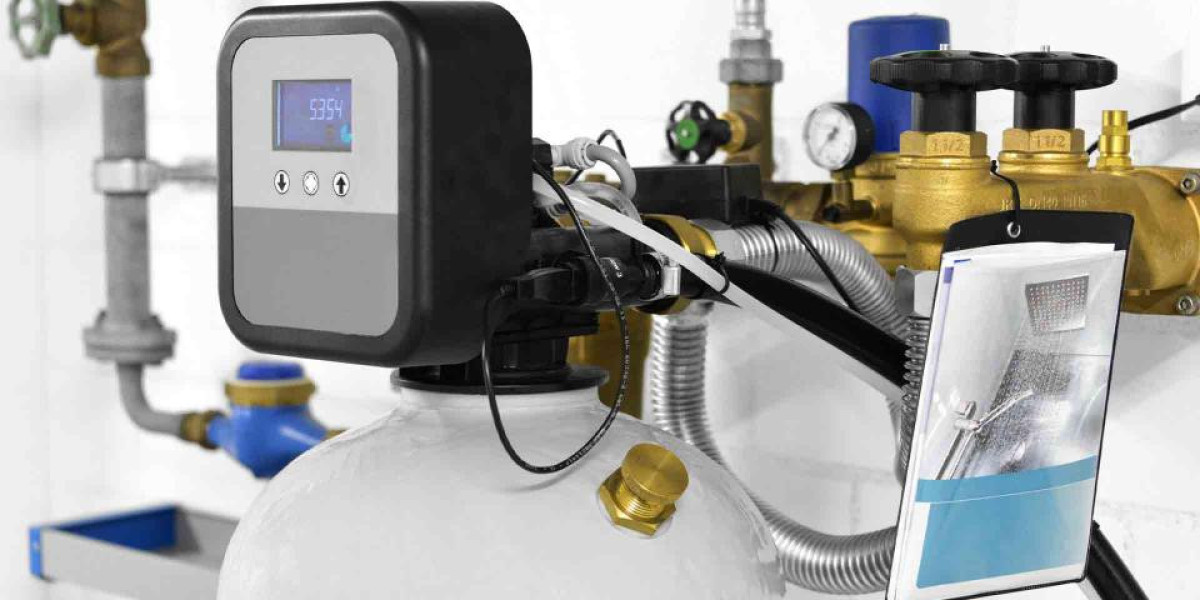

Well water can be a great source of fresh water, but it often contains minerals and elements such as iron, sulfur, and hardness-causing calcium and magnesium. Homeowners dealing with these issues may wonder which system will work best. If you are searching for the best water softener for well water with iron and sulfur, this guide will help you understand the options, installation considerations, and maintenance tips to ensure clean, soft water throughout your home.
Understanding Well Water Issues
Well water often contains higher levels of minerals than municipal water. Calcium and magnesium cause hardness, leading to scale buildup in pipes and appliances. Iron can cause rust-colored stains on sinks, showers, and laundry, while sulfur can lead to a noticeable rotten egg smell. Addressing these problems with the right water softener improves water quality and protects your home’s plumbing and appliances.
How Water Softeners Work
Most water softeners operate using an ion exchange system. Hard water flows through a resin bed, where calcium and magnesium ions are replaced with sodium or potassium ions. Advanced systems can also incorporate iron and sulfur removal components to reduce staining and odor. Selecting the right type of softener depends on the specific composition of your well water.
Signs You Need a Water Softener
Common indicators that your well water requires a softener include:
Rust-colored stains on sinks, bathtubs, or laundry
A strong sulfur or “rotten egg” odor
Scale buildup on faucets, showerheads, and pipes
Reduced appliance efficiency or frequent maintenance needs
Installing a water softener tailored to well water can prevent these issues and extend the life of your home plumbing.
DIY vs. Professional Installation
While some homeowners may choose to replace or install a water softener themselves, it is important to consider the complexity of the system. Systems designed to remove iron and sulfur may require specialized components, proper installation of filters, and calibration to ensure optimal performance. Consulting a professional can ensure the system works efficiently and prevents potential damage to your plumbing.
Best Practices for Maintaining a Water Softener
Proper maintenance ensures your water softener continues to function effectively. Recommended practices include:
Regularly refilling the salt or potassium in the brine tank
Cleaning the resin bed periodically
Checking for leaks or corrosion
Monitoring iron and sulfur levels and replacing filters as needed
Consistent maintenance prevents operational issues and keeps water quality high.
Choosing the Right Water Softener
If you have hard well water, it’s crucial to select a system designed specifically for your needs. Consider a water softener for hard well water. These systems are engineered to handle high mineral content, remove iron and sulfur, and provide reliable soft water throughout your home.
Key Factors to Consider
Water Hardness: Measure your water to choose a softener with adequate capacity.
Iron and Sulfur Levels: Some systems include filters to reduce staining and odor.
Household Size: Larger households require higher-capacity softeners.
Regeneration Options: Timed or demand-initiated regeneration impacts efficiency and salt usage.
Advantages of Installing a Well-Specific Softener
A well-specific water softener provides several benefits:
Eliminates scale buildup in pipes and appliances
Reduces rust and odor from iron and sulfur
Improves soap and detergent efficiency
Extends the lifespan of plumbing and water-using appliances
Professional Assistance
Even if you are comfortable with basic plumbing, consulting a water treatment professional ensures your system is sized and configured correctly. They can provide guidance on ongoing maintenance, filter replacement, and optimal system settings.
Conclusion
Choosing the right water softener for well water is essential for maintaining clean, soft water in your home. Systems designed to handle iron, sulfur, and hardness provide multiple benefits, including improved water quality, reduced stains and odors, and longer-lasting plumbing. By selecting a system tailored to your well water, you can enjoy consistent, high-quality water for drinking, bathing, and household use.