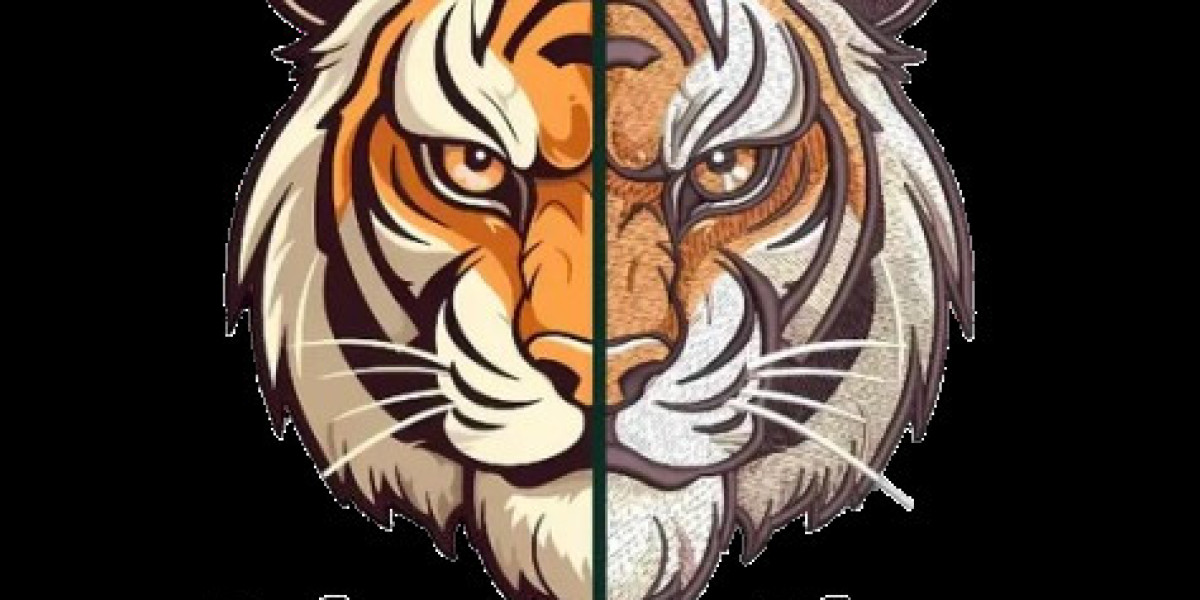

Have you ever wondered why a logo looks crisp on a stiff denim jacket but distorted and puckered on a lightweight performance polo? The secret isn't in the embroidery machine it’s in the digital file. One of the biggest misconceptions in the industry is that "one file fits all." In reality, embroidery digitizing companies must meticulously tailor every design to the specific material it will be stitched on.
Fabric is not a static surface; it stretches, shifts, sinks, and texturizes. A professional digitizer acts like an architect, adjusting the structural integrity of the stitches to suit the "ground" they are building on. In this post, we will explore the technical adjustments digitizers make to ensure your logo looks perfect, whether it’s on a fluffy towel, a stretchy beanie, or a structured cap.
The "Push and Pull" Factor
Every fabric interacts with thread differently due to the "push and pull" phenomenon. As the needle penetrates the fabric and the thread creates tension, the fabric naturally pulls in the direction of the stitches and pushes out perpendicularly.
Embroidery digitizing companies calculate this movement based on the fabric’s stability.
- Stable Fabrics (e.g., Denim, Canvas): These hold their shape well. The digitizer applies minimal pull compensation because the fabric won't distort much.
- Unstable Fabrics (e.g., Spandex, Ribbed Knits): These stretch easily. The digitizer must add significant pull compensation, making the digital design look distorted on screen (wider or taller) so that it stitches out perfectly shaped once the fabric pulls it in.
Optimizing for Stretchy Knits (Polos and T-Shirts)
Performance wear, piquè polos, and t-shirts are the most common corporate apparel, but they are also the most difficult to embroider. If the digitizing is too heavy, the logo will feel like a "bulletproof patch" and cause the fabric around it to ripple.
To optimize for knits, digitizers use:
- Center-Run Underlay: A light foundation stitch that attaches the fabric to the backing (stabilizer) before the main design is sewn. This prevents the shifting that causes gaps.
- Lighter Density: Instead of packing stitches tightly together, which weighs down the fabric, digitizers slightly reduce the density (spacing between stitches) to let the fabric drape naturally.
- Edge-Run Stabilization: A running stitch around the perimeter of the shape locks the stretchy fabric in place, ensuring sharp outlines.
Conquering Textured Fabrics (Fleece and Towels)
High-pile fabrics like fleece jackets, hoodies, and terry cloth towels present a different challenge: "sinking." If you stitch a standard logo onto a towel, the stitches will disappear into the loops of the fabric, making the design look patchy and invisible.
Embroidery digitizing companies solve this with structural layering:
- Heavy Underlay (Tatami/Fill): The digitizer creates a dense grid of underlay stitches (often called a "knockdown stitch" or "nap tacking"). This mashes down the fluffy pile of the fabric, creating a flat, stable surface for the top stitches to rest on.
- increased Top Density: To ensure the color stands out against the texture, the top satin or fill stitches are made slightly denser to provide solid coverage.
The Unique Challenge of Headwear (Caps and Beanies)
Embroidering on hats is a beast of its own. Unlike a flat shirt, a cap is hooped on a round cylinder, and the stitching happens while the item is rotating.
- Center-Out Sequencing: For caps, digitizers must program the design to stitch from the bottom center and move outwards and upwards. If they stitched from left to right (like on a shirt), the fabric would push across the curve of the hat, resulting in a crooked logo or a "flagging" effect where the fabric bubbles up.
- Beanies (Ribbed Knits): Beanies stretch enormously. Digitizers often use a zigzag underlay to allow the design to stretch with the hat when worn, preventing the stitches from popping or breaking when the user puts it on.
Thin and Delicate Fabrics (Silk and Dress Shirts)
Dress shirts and lightweight woven blouses require a delicate touch. Heavy embroidery can tear these fabrics or leave needle holes that are visibly damaging.
Professional digitizers adjust for delicacy by:
- Reducing Stitch Count: They simplify complex fills into lighter patterns or outline stitches to reduce the number of needle penetrations.
- Changing Stitch Angles: By varying the angles of the stitches, they distribute the tension across different threads of the fabric (warp and weft), preventing the material from puckering or tearing along a single line.
Why You Must Inform Your Digitizer
The most critical step in this process is communication. When you place an order with embroidery digitizing companies, you must specify the garment. If you send a file digitized for a jacket to be stitched on a hat, it will fail.
A professional digitizer will often provide different versions of the same file (e.g., logo_hat.dst, logo_polo.dst, logo_jacket.dst). While the visual design remains the same, the underlying engineering—density, underlay, pull compensation, and sequencing is radically different for each to ensure quality.
Conclusion
Embroidery is a physical interaction between thread and material, and physics plays a major role in the outcome. Embroidery digitizing companies are not just converting images; they are engineering structural designs that must withstand tension, texture, and wear.
By understanding how digitizers optimize for specific fabrics from stabilizing stretchy knits to smoothing out rough fleece—you can appreciate the value of professional service. Always specifying your fabric type ensures that your branded apparel looks high-end, durable, and mistake-free.
FAQs
Q: Can I use the same digitized file for a hat and a polo shirt?
Generally, no. A hat file is digitized to stitch from the center out to accommodate the curve of the cap driver. If you run a hat file on a flat polo shirt, it might work okay, but if you run a shirt file (which stitches left-to-right) on a hat, it will almost certainly warp or result in crooked lines.
Q: Why does my embroidery look "sunken" on my fleece jacket?
This happens because the file was likely digitized for a flat fabric like cotton. Fleece requires a heavy "underlay" or "knockdown stitch" to hold down the fuzz (pile) of the fabric so the top stitches can sit on top visibly. You need to ask your digitizer to adjust the file for fleece.
Q: What is "pull compensation" in digitizing?
Pull compensation is a setting where the digitizer intentionally makes a shape slightly wider or taller in the digital file. This accounts for the fact that the thread tension will pull the fabric in, shrinking the shape. Without this compensation, circles would sew out as ovals and squares as rectangles.
Q: Does the stabilizer backing matter as much as the digitizing?
Yes, they work together. Even the best embroidery digitizing cannot fix a garment that hasn't been hooped correctly with the right stabilizer (backing). However, a bad digitizing file (too dense) can actually cut through the stabilizer and ruin the garment, so both must be correct.
Q: Will I be charged extra for different fabric versions of my logo?
It depends on the company. Many reputable digitizers will provide 1-2 variations (e.g., one for flats, one for caps) within the original price if requested upfront. However, if the edits require significant re-working of the stitch types (like adding a complex knockdown stitch), a small edit fee might apply.