
As Australian organisations strengthen their sustainability commitments in 2026, even small procurement decisions are being reconsidered — including business cards. For councils, schools, not-for-profits, eco-focused retailers and corporate offices, printed materials remain essential. The question is no longer whether to choose an environmentally responsible option, but which one.
Two popular alternatives are recycled paper and seed paper. While both are positioned as eco-friendly solutions, they serve different purposes and suit different organisational needs. Understanding the differences helps procurement teams make informed, sustainable decisions aligned with operational and environmental goals.
Why Sustainable Business Cards Matter for Organisations
Business cards may be small, but at scale they represent significant paper consumption across government departments, educational institutions and corporate offices. Traditional virgin-fibre cards contribute to:
Deforestation and habitat loss
Higher energy and water usage
Increased landfill waste
By contrast, eco-friendly alternatives such as recycled paper business cards support waste reduction, resource efficiency and responsible sourcing.
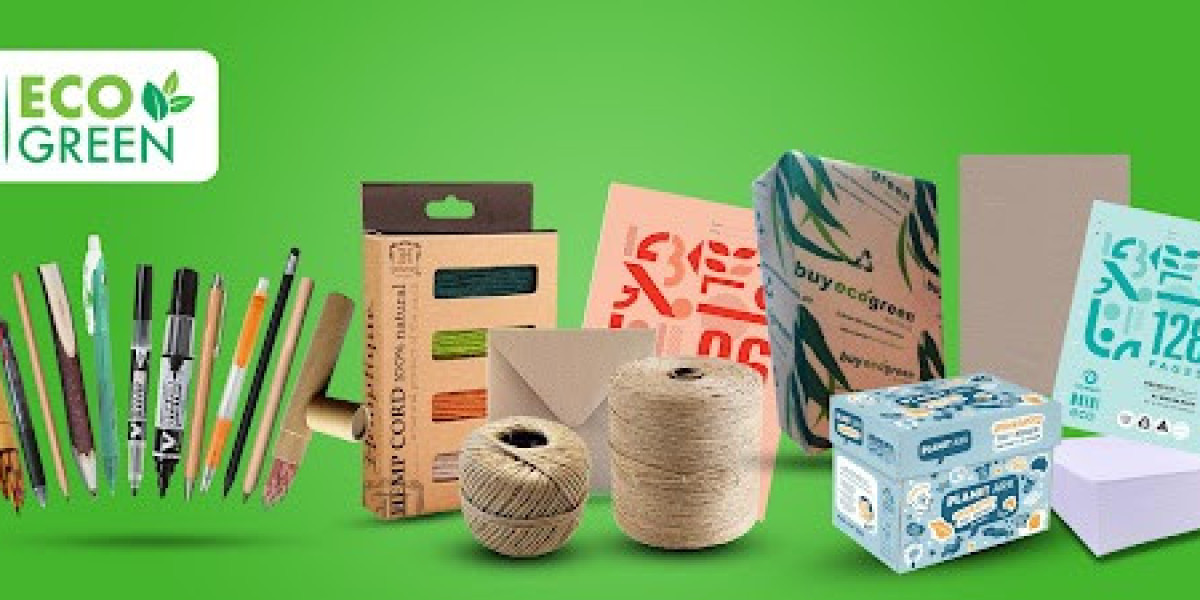
Suppliers like Buyecogreen provide recycled paper options designed specifically for institutional and commercial use — supporting bulk procurement while maintaining environmental integrity.
What Are Recycled Paper Business Cards?
Recycled paper business cards are produced using post-consumer waste paper that has been recovered, processed and remanufactured into new paper stock.
Key Environmental Benefits
Diverts paper waste from landfill
Reduces demand for virgin timber
Uses less energy and water than virgin paper production
Supports Australia’s recycling industry
Recycled paper aligns strongly with circular economy principles — keeping materials in use and reducing overall environmental impact.
For organisations with sustainability frameworks in place, recycled paper cards are often the most practical and policy-aligned solution.
What Is Seed Paper?
Seed paper is typically made from recycled paper pulp embedded with plant seeds. After use, the card can be planted in soil, where the paper biodegrades and seeds germinate.
Perceived Benefits
Biodegradable material
Symbolic sustainability message
Memorable, novelty appeal
While seed paper can generate positive engagement at events or promotional campaigns, it is not always the most practical or scalable solution for institutional procurement.
Comparing Recycled Paper and Seed Paper for Business Use
When assessing options for schools, councils or corporate offices, decision-makers should evaluate sustainability impact, practicality and supply reliability.
1. Environmental Impact at Scale
Recycled Paper
Directly supports waste diversion systems
Scalable for high-volume printing
Reinforces established recycling infrastructure
Clear lifecycle sustainability benefits
Seed Paper
Biodegradable, but impact depends on whether recipients plant it
Seed viability varies
Not always suitable for standard recycling streams
For organisations focused on measurable sustainability reporting, recycled paper offers clearer environmental data and broader system support.
2. Practicality and Durability
Recycled Paper Cards
Professional finish suitable for government and corporate settings
Compatible with standard printing processes
Durable for storage and handling
Consistent quality across bulk orders
Seed Paper Cards
Textured surface may limit print clarity
Thicker and less uniform
Can degrade if exposed to moisture
Not always suitable for long-term storage
For institutional environments where professionalism and reliability are essential, recycled paper often provides a more consistent outcome.
3. Procurement and Bulk Supply
Schools, councils and large offices require dependable supply chains.
Recycled paper products are widely available in bulk quantities through environmentally responsible suppliers like Buyecogreen. This ensures:
Consistent stock availability
Reliable lead times
Alignment with broader eco-friendly stationery procurement
Seed paper, while innovative, may have more limited availability and higher production variability, making it less suitable for routine institutional use.
4. Alignment with Sustainability Policies
Many Australian organisations operate under structured procurement frameworks that prioritise:
Recycled content
Certified sustainable materials
Reduced landfill waste
Responsible sourcing
Recycled paper business cards clearly meet these criteria. They support waste recovery systems and align with environmentally preferable purchasing guidelines common in government and education sectors.
Seed paper, while environmentally positive in concept, may not always fit formal procurement standards due to variability in seed sourcing and lifecycle assessment complexity.
When Seed Paper May Be Appropriate
There are scenarios where seed paper may complement sustainability initiatives, such as:
Environmental awareness campaigns
Sustainability-themed events
Nature-based education programs
Community engagement initiatives
In these cases, the plantable feature can reinforce messaging and encourage environmental participation.
However, for day-to-day professional networking and official communications, recycled paper typically offers stronger practicality and policy alignment.
Supporting Broader Sustainable Procurement
Business cards are often just one component of a larger procurement strategy. Organisations committed to environmental responsibility typically extend sustainable purchasing to:
Recycled notebooks and folders
Eco-friendly office supplies
Recycled paper rolls
Kraft paper and tissue packaging
Compostable and biodegradable packaging solutions
Green cleaning products
By sourcing these materials through a trusted supplier like Buyecogreen, organisations simplify sustainable procurement while ensuring environmental consistency across departments.
The Circular Economy Advantage
Recycled paper business cards actively contribute to Australia’s circular economy by:
Creating demand for recovered paper materials
Encouraging recycling participation
Reducing reliance on virgin fibre
Supporting responsible manufacturing
Every procurement decision becomes part of a broader environmental strategy — particularly for institutions managing high volumes of printed materials.
Cost Is Not the Only Consideration
While budget accountability remains important in public and private sectors, sustainability outcomes are increasingly weighted in procurement decisions. Recycled paper provides:
Proven environmental benefits
Scalable supply
Professional presentation
Clear sustainability credentials
These advantages often outweigh novelty-driven alternatives when long-term operational consistency is required.
Making the Right Choice in 2026
As environmental expectations continue to rise across Australia, organisations are expected to demonstrate genuine commitment through practical action.
For most schools, councils, businesses and not-for-profits, recycled paper business cards represent the most balanced and responsible choice:
Measurable waste reduction
Reliable performance
Bulk procurement suitability
Strong alignment with sustainability frameworks
Seed paper can play a valuable role in targeted campaigns, but recycled paper remains the most effective option for ongoing institutional use.
By partnering with environmentally responsible suppliers such as Buyecogreen, organisations ensure that even small print materials contribute to larger sustainability goals — reinforcing environmental leadership in every interaction.
In 2026, eco-friendly business cards are no longer a trend. They are a reflection of organisational values, procurement integrity and commitment to a more sustainable Australia.