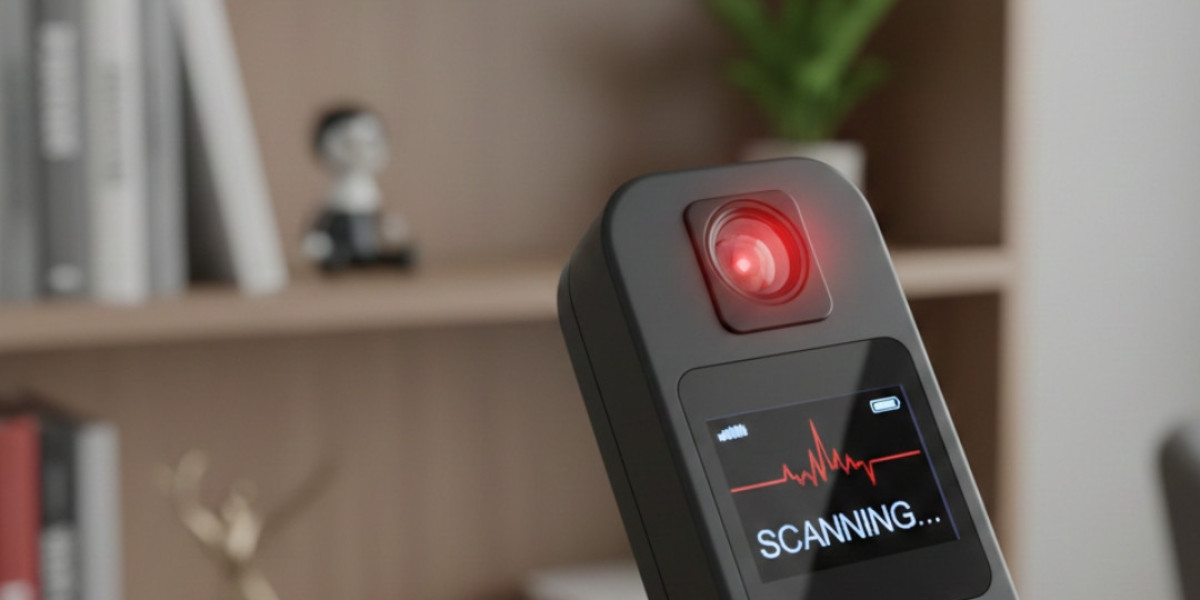

Privacy is something most of us take for granted until we start hearing stories about hidden cameras in hotel rooms, Airbnb rentals, offices, or even changing rooms. With technology becoming smaller and cheaper, spy cameras are easier to hide than ever before. That’s why many people now rely on a hidden camera detector to stay safe while traveling or using shared spaces.
Whether you travel frequently, stay in short-term rentals, or simply value your personal security, knowing how to detect hidden surveillance devices can give you peace of mind. In this guide, we’ll walk through how hidden camera detectors work, why they’re important, and how to use them effectively.
Why Hidden Cameras Are a Real Concern Today
Hidden cameras are no longer bulky or obvious. Modern spy cameras can be disguised as:
Smoke detectors
Wall clocks
USB chargers
Alarm clocks
Light bulbs
Power adapters
Air purifiers
Even tiny pinhole lenses in walls
Because of their small size and wireless capabilities, these devices can secretly record video and send it online. That’s why visually spotting them is not always easy.
This is where a hidden camera detector device becomes extremely useful.
What Is a Hidden Camera Detector?
A hidden camera detector is a small security tool that helps you locate hidden spy cameras or surveillance devices. It uses different technologies to detect signals, lenses, or wireless transmissions coming from cameras.
Most detectors are portable, lightweight, and easy to carry in a pocket or travel bag. They are commonly used by:
Travelers
Business professionals
Families staying in rentals
Privacy-conscious individuals
Security professionals
Using one takes only a few minutes and can save you from serious privacy risks.
How Does a Hidden Camera Detector Work?
Different types of detectors use different methods. Understanding these will help you choose the right one.
1. RF Signal Detection
Many wireless cameras transmit signals using WiFi or radio frequency. An RF detector scans for these signals and alerts you when it finds suspicious activity.
Good for:
Wireless cameras
Bugging devices
GPS trackers
2. Lens Reflection Detection
Every camera has a lens, and lenses reflect light. Lens detection uses LED lights to spot that reflection. When you scan the room, the hidden camera lens appears as a bright dot.
Good for:
Tiny pinhole cameras
Cameras without wireless signals
3. Magnetic Detection
Some devices include magnets. Magnetic sensors help find these concealed electronics.
Good for:
Hidden GPS trackers
Planted devices in cars or furniture
Most modern hidden camera detectors combine all three methods for better accuracy.
Where Should You Use a Hidden Camera Detector?
You don’t need to be paranoid, but certain places deserve extra caution.
Hotels and Motels
Before unpacking, quickly scan the room, especially near beds, bathrooms, and mirrors.
Airbnb or Vacation Rentals
Private rentals are harder to regulate. A quick scan ensures no unwanted surveillance.
Changing Rooms and Washrooms
These are high-risk areas where privacy matters most.
Offices or Meeting Rooms
If you’re discussing confidential business information, checking for hidden devices is smart.
Cars
Some detectors can find hidden trackers placed in vehicles.
How to Use a Hidden Camera Detector Step by Step
Using a detector is easier than most people think.
Step 1: Turn Off Lights
Dim lighting helps lens reflections stand out better.
Step 2: Scan Slowly
Move the device slowly around walls, ceilings, smoke detectors, and furniture.
Step 3: Watch for Signal Alerts
If the RF signal spikes, move closer to locate the source.
Step 4: Check Common Hiding Spots
Look carefully at:
Clocks
Chargers
Mirrors
Air vents
Electrical outlets
Step 5: Inspect Suspicious Items
If something looks unusual, examine it closely.
A full scan usually takes only 5 to 10 minutes.
Benefits of Using a Hidden Camera Detector
Peace of Mind
You feel safer knowing your space is private.
Easy to Carry
Most devices are small enough to fit in your pocket.
Quick Setup
No technical knowledge required.
Affordable Protection
Compared to privacy risks, detectors are inexpensive.
Works Anywhere
Useful at home, travel, or office.
Features to Look for When Buying a Hidden Camera Detector
Not all detectors are the same. Look for:
Multiple Detection Modes
RF + lens + magnetic detection is ideal.
Adjustable Sensitivity
Helps avoid false alarms.
Rechargeable Battery
Long-lasting battery is better for travel.
Compact Design
Easy to carry daily.
Strong LED Lights
Brighter LEDs make lens detection easier.
Choosing a reliable device ensures better protection.
Extra Tips to Stay Safe from Hidden Cameras
A hidden camera detector is helpful, but you can also take extra precautions.
Check WiFi Networks
Unknown devices connected to the same network can be suspicious.
Inspect Mirrors
If a mirror looks strange, try the fingernail test to check if it’s two-way.
Cover Private Areas
Use tape or towels over suspicious objects temporarily.
Trust Your Instincts
If something feels off, investigate.
Travel with Your Own Detector
It’s a small investment for your safety.
Common Myths About Hidden Camera Detection
“Only celebrities need this”
Not true. Anyone can become a target.
“You can always see cameras”
Modern cameras are tiny and well hidden.
“It’s complicated to use”
Most detectors are beginner-friendly.
“Hotels always check rooms”
You shouldn’t rely only on others for your safety.
Who Should Definitely Use a Hidden Camera Detector?
If you fall into any of these groups, consider carrying one:
Frequent travelers
Solo female travelers
Digital nomads
Business executives
Families with kids
Privacy-focused individuals
It’s better to be prepared than regret later.
Final Thoughts
In today’s world, protecting your privacy is no longer optional. Hidden cameras are smaller, cheaper, and easier to hide than ever before. While most places are safe, it only takes one bad experience to realize the importance of being cautious.
A hidden camera detector is a simple, affordable tool that gives you control over your personal security. It takes only a few minutes to scan a room, but that small step can protect your privacy, your family, and your peace of mind.
If you travel often or stay in shared spaces, carrying a detector just makes sense. It’s one of those small gadgets you hope you never need, but you’ll be glad to have when it matters.