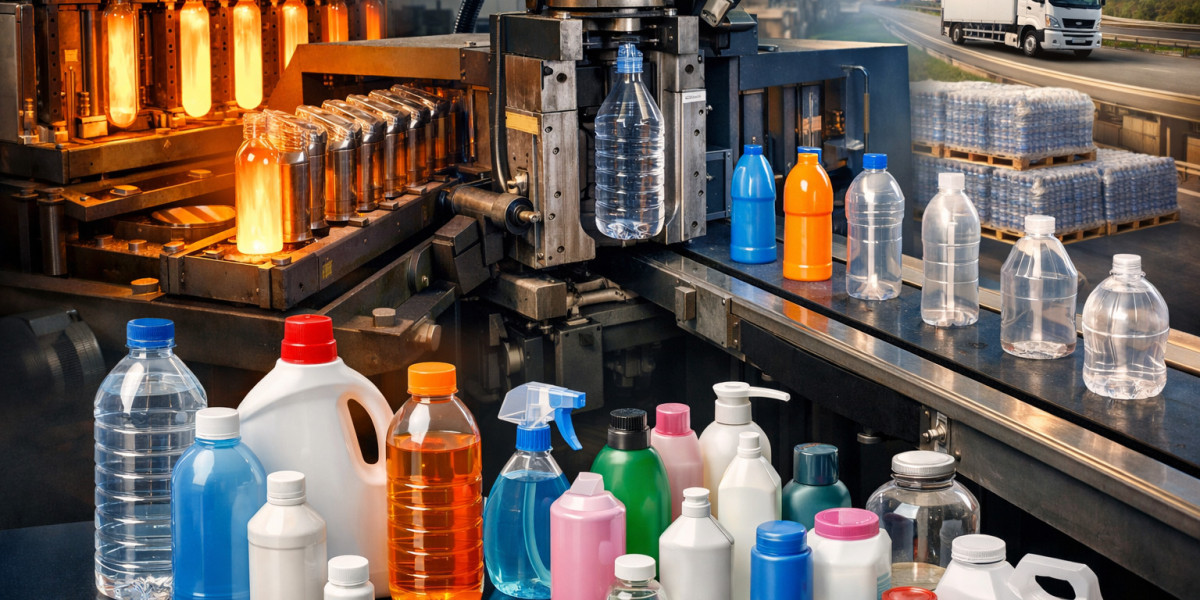

In the modern industrial landscape, it is difficult to find a sector that has not been touched by the efficiency of plastic packaging. From the water bottles we carry to the detergent containers under our sinks, plastic vessels are everywhere. This global ubiquity did not happen by accident. It was driven by the rapid evolution and technical mastery of blow molding machines. These specialized pieces of equipment changed the way goods are stored, transported, and sold, sparking a revolution in manufacturing that continues to this day.
By allowing for high speed production and incredible design flexibility, blow molding machines have replaced traditional materials like glass and metal in many applications. This article explores how this technology transformed the packaging world and why it remains the backbone of the industry.
The Shift from Traditional Materials to Plastic
Before the widespread adoption of blow molding machines, the packaging industry relied heavily on glass and tin. While these materials were effective, they were heavy, fragile, and expensive to transport. The introduction of thermoplastic polymers changed the game, but the industry needed a way to shape these polymers into hollow vessels at scale.
Blow molding machines provided the solution. By melting plastic resin and using air pressure to "blow" it into a mold, manufacturers could create lightweight, durable containers. This shift significantly reduced shipping costs because plastic is a fraction of the weight of glass. It also virtually eliminated breakage during transit, which was a major source of financial loss for beverage and chemical companies.
Understanding the Core Technology
To understand the transformation, one must understand how these machines function. There are three primary types of blow molding machines that have shaped the industry:
Extrusion Blow Molding (EBM): This is the most common form of the technology. A hot tube of plastic, known as a parison, is dropped from an extruder and captured in a water cooled mold. Air is then injected to inflate the plastic into the shape of the mold.
Injection Blow Molding (IBM): This process involves injection molding a "preform" first, which is then moved to a blow molding station. This is ideal for smaller, high precision containers like medical vials.
Stretch Blow Molding (SBM): Used primarily for PET bottles, this machine stretches the preform mechanically while blowing air into it. This creates a bottle with high clarity and superior strength.
Each of these methods allowed manufacturers to specialize and optimize their production lines for specific products, leading to a massive increase in global output.
Speed, Efficiency, and Mass Production
One of the most significant ways blow molding machines transformed the industry was through sheer speed. Early manufacturing processes were labor intensive and slow. Modern fully automatic blow molding machines can produce thousands of units per hour with minimal human intervention.
This level of automation led to a "race to the bottom" in terms of cost per unit. As the price of producing a single plastic bottle dropped, companies could afford to package a wider variety of goods. This democratized access to clean bottled water, affordable hygiene products, and household chemicals. The efficiency of these machines allowed for just-in-time manufacturing, reducing the need for massive warehouse spaces and further cutting overhead costs.
Design Versatility and Brand Identity
Before the rise of advanced blow molding machines, packaging was often functional but boring. Most glass bottles were cylindrical or rectangular due to the limitations of glass blowing at scale.
Plastic changed that. Because a mold can be machined into almost any shape, brands began using their packaging as a primary marketing tool. Blow molding machines allowed for the creation of ergonomic handles, complex curves, and embossed logos directly on the container. Think of the unique shape of a Coca-Cola bottle or the specific grip on a gallon of milk. These designs are made possible by the precision of modern blow molding technology. This versatility gave companies a new way to stand out on crowded supermarket shelves.
The Impact on the Food and Beverage Sector
The beverage industry was perhaps the biggest beneficiary of this technological leap. The move from glass to PET (Polyethylene Terephthalate) containers revolutionized the logistics of soft drinks and water.
PET bottles are not only lighter but are also safer in environments like beaches, stadiums, and gyms where glass is often prohibited. Furthermore, blow molding machines allowed for the development of multi-layer technology. By blowing multiple layers of different plastics simultaneously, manufacturers could create barriers that prevent oxygen from entering the bottle. This extended the shelf life of juices and dairy products without the need for heavy preservatives.
Lightweighting and Resource Optimization
As environmental concerns grew, the industry faced pressure to reduce plastic waste. Blow molding machines played a crucial role in a process known as "lightweighting."
Through advanced engineering, manufacturers found ways to use less plastic resin while maintaining the structural integrity of the container. Modern blow molding machines use precision sensors to ensure wall thickness is perfectly distributed. This means a bottle produced today might use 30 percent less plastic than a bottle produced twenty years ago. This reduction in material usage saves money for the manufacturer and reduces the carbon footprint of the product.
Sustainability and the Future of Blow Molding
The plastic packaging industry is currently undergoing another transformation, this time centered on sustainability. Blow molding machines are being adapted to handle recycled resins (rPET) and bio-based plastics.
In the past, using recycled material was difficult because the resin had inconsistent melting points. However, the latest generation of blow molding machines features sophisticated heat control and filtration systems that allow for high quality production using recycled content. This is a vital step toward a circular economy where plastic is reused rather than discarded.
Additionally, the shift toward all-electric blow molding machines has reduced energy consumption. Traditional hydraulic machines were energy intensive and prone to leaks, but electric models offer cleaner operation and lower utility costs, making the entire production process more sustainable.
Conclusion
The impact of blow molding machines on the plastic packaging industry cannot be overstated. By providing a way to produce lightweight, durable, and inexpensive containers at high speeds, these machines enabled the global distribution of goods on a scale never seen before. From the early days of simple extrusion to the high-tech, energy-efficient systems of today, this technology has consistently evolved to meet the needs of a changing world. As we look toward a future of sustainable materials and smarter manufacturing, blow molding machines will undoubtedly remain at the center of the packaging revolution.
Frequently Asked Questions
What is the most common material used in blow molding machines?
The most common materials are High-Density Polyethylene (HDPE), Low-Density Polyethylene (LDPE), and Polyethylene Terephthalate (PET). HDPE is often used for milk jugs and detergent bottles, while PET is the standard for water and carbonated soft drink bottles.
How much does a professional blow molding machine cost?
The price varies significantly based on production capacity and automation levels. Small, semi-automatic machines can cost between $10,000 and $30,000, while high-speed, fully automatic industrial systems can cost several hundred thousand dollars or more.
Can blow molding machines produce different bottle sizes?
Yes. By changing the molds and adjusting the machine settings, a single blow molding machine can produce a wide range of bottle sizes and shapes. This flexibility is one of the primary reasons the technology is so popular in the packaging industry.
What is the difference between injection and extrusion blow molding?
Extrusion blow molding drops a molten tube (parison) into a mold to be blown, making it ideal for large or complex containers with handles. Injection blow molding injects plastic into a preform first, which provides better control over the neck and finish of the bottle.
Are blow molding machines environmentally friendly?
Modern blow molding machines are becoming much more eco-friendly. Many now use all-electric motors to save energy and are designed to process recycled plastics (rPET), which helps reduce the environmental impact of plastic production.