
A sectional overhead door tends to work quietly in the background of daily life. It opens on busy mornings, closes after long days, and reacts with one press of a button. Most people don’t think about it until something feels off. I’ve seen many homeowners reach this point and then discover a small problem that could have been avoided with a little steady care. If you’ve ever had that moment, you’ll understand why some folks keep a trusted company like Legacy Garage Repair bookmarked. But before you need outside help, you can do quite a bit on your own.
When you treat your garage door like part of your home’s rhythm instead of a forgotten machine, it tends to stay dependable. And maintaining a sectional overhead door isn’t complicated. It’s more like giving a familiar tool a careful once-over every so often.
Start With a Slow Visual Check
Every good routine begins with a look around. You don’t need to be an expert. You’re simply getting familiar with how your door looks when it’s healthy.
Stand inside your garage with the door closed. Look over the panels. Are there dents, gaps, or signs of moisture? Move your eyes to the tracks and hardware. Dust and cobwebs are normal, but heavy grime or rust might tell you something has been wearing down longer than you realized. If you notice a panel sagging or track misalignment, that’s a sign to investigate a bit more.
From outside, check the weatherstripping at the bottom of the door. It should sit flush. If it’s brittle or pulling away, your garage may be exposed to drafts, insects, and moisture. A simple replacement can strengthen insulation and protect the door.
Listen to the Door While It Moves
Your ears are powerful tools when it comes to recognizing early issues. Operate the door and pay attention to its sound. A smooth, steady operation usually means everything is in good shape.
If you hear grinding, squeaking, or rattling, don’t ignore it. These noises often come from dry rollers, loose bolts, or worn hinges. A door doesn’t become noisy all at once. It usually gives small warnings first. Catching those sounds early can prevent bigger mechanical failures.
Clean the Tracks With Care
Cleaning the tracks takes only a few minutes. You don’t need to remove them or use harsh chemicals. A cloth, mild cleaner, and patience is enough.
Wipe both inside edges of the tracks. Remove debris, old grease, and anything that looks like it doesn’t belong. Don’t lubricate the tracks afterward. They’re meant to be clean and dry. Lubricant on the tracks can attract dust and cause rollers to slip instead of roll. Clean tracks help your door stay aligned.
Lubricate the Right Parts
A sectional overhead door works on a rhythm of moving parts. Keeping them lightly lubricated helps reduce wear. A silicone-based or lithium-based spray works well for most homes.
Aim for the rollers, hinges, and springs. Keep the spray light. Too much can drip and collect dirt. Operate the door a few times after lubricating so the product spreads evenly. This simple task often reduces noise and helps the system move without strain.
Check the Rollers for Wear
Rollers play a big role in how smoothly your door travels. Over time, plastic rollers may crack, and metal rollers can gather rust or loosen.
Inspect each roller as the door hangs at a comfortable height. If a roller wobbles, flattens, or looks worn, it’s time to replace it. This may sound intimidating, but many homeowners handle roller replacement on their own. Still, if you’re unsure, it’s always safer to ask for help than risk the door shifting unexpectedly.
Test the Balance With a Quick Release
A balanced door isn’t just nice to use. It protects your opener from stress. If the door is off-balance, the opener has to pull harder than it was designed to, and that can shorten its lifespan.
Disconnect the opener by pulling the emergency release cord. Lift the door by hand. A well-balanced door should rise smoothly and stay halfway open without sliding. If it drops or feels too heavy, the springs may need adjustment.
Spring adjustments are not DIY friendly. They hold a lot of tension and can be dangerous to handle. If this test indicates a balance issue, note it and bring in a trained technician.
Keep Sensors Clean and Properly Aligned
Safety sensors near the bottom of your track system protect families, pets, and vehicles. If these sensors get dusty or misaligned, your door may refuse to close or reverse unexpectedly.
Wipe the sensor lenses with a soft cloth. Check that both sensors are pointed directly at each other and sit at the same height. A blinking light on either sensor usually means a problem in alignment. Fixing this takes only a small adjustment.
Tighten Loose Hardware
Over many open-and-close cycles, screws and bolts slowly loosen. This is completely normal, but ignoring it can lead to misalignment or rattling.
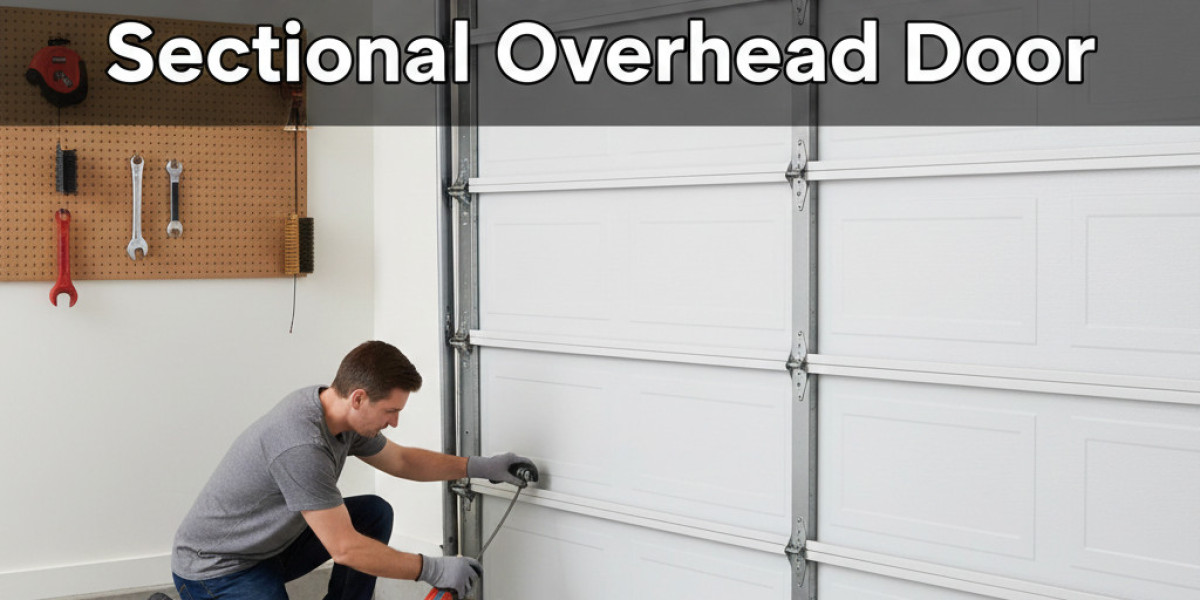
Take a wrench or socket set and go around the brackets, hinges, and track supports. Tighten any hardware that feels loose. Don’t overtighten. You’re reinforcing the system, not forcing it.
Give the Opener a Quick Inspection
Your opener deserves its own small checkup. If it uses a chain, make sure the chain has the right tension. If it’s belt-driven, look for cracks or fraying.
Most openers also need periodic lubrication on their rail. A quick pass with a suitable lubricant can reduce friction and help the opener work more smoothly.
While you’re at it, replace the opener light bulb if it’s flickering. Small touches like this keep your setup safe at night.
Watch for Signs of Moisture
Moisture is an enemy of garage doors. It warps panels, corrodes hardware, and interferes with electrical components.
Look for watermarks on the ceiling, puddles near the door, or rust on the metal parts. If you notice recurring moisture, adjust the weatherstripping or inspect your roofline. Sometimes the cause is a simple drain clog outside the garage.
Add Regular Cleaning to Your Routine
A little cleaning goes a long way. Wipe down the panels every few months with a gentle cleaner. Removing dust, pollen, and grime protects the paint and keeps the surface from degrading.
A clean door isn’t just about looks. It prevents buildup that can settle into hinges or hardware over time.
When to Call a Professional
Even with steady care, some issues need trained hands. If your door shakes violently, refuses to stay balanced, or has spring damage, stop operating it. Calling for help early is always better than waiting for a full breakdown.
A professional can also give you a yearly tune-up. Think of it like a wellness visit for your garage door. They’ll spot wear that you might miss and help extend the system’s lifespan.
If you ever feel uncertain about what you’re seeing, trust your instincts and reach out for support. Companies offering professional garage door repair services can handle repairs quickly and safely.
Trending FAQs
How often should I maintain a sectional overhead door?
A light monthly check is ideal, and a deeper inspection every six months keeps things running smoothly.
Can I replace garage door springs myself?
It’s not recommended. Springs store a lot of tension and can be unpredictable. A trained technician should handle them.
Why does my door shake when it opens?
Shaking often means loose hardware, worn rollers, or misaligned tracks. Start with a visual inspection and tighten hardware before exploring other causes.
Should I lubricate the tracks?
No. Tracks should stay clean and dry. Lubricate only the rollers, hinges, and springs.
What causes a garage door to become unbalanced?
Spring tension changes over time. Wear, temperature changes, and natural settling of your home can all affect balance.
If you keep an eye on your door, listen for changes, and give it a little attention now and then, your sectional overhead door can stay reliable for many years. And when you reach a point where you want expert help, local specialists are only a call or click away.