
Picture this: You're at a packed trade show, your blazer pocket is stuffed with crumpled paper business cards, and you can barely remember the name of the person you spoke to five minutes ago. Sound familiar? For millions of professionals around the world, this is the chaotic reality of networking events. But a quiet revolution is changing everything — and it fits right in the palm of your hand.
NFC business cards, powered by Near Field Communication technology, are rapidly replacing the traditional paper card at conferences, expos, meetups, and corporate events. These sleek, smart cards let you share your entire professional profile with a simple tap — no apps, no manual typing, no awkward fumbling. If you've been wondering whether it's time to upgrade your networking game, the answer is almost certainly yes. Here's why.
What Exactly Is an NFC Business Card?
Before diving into the benefits, it helps to understand what we're actually talking about. An NFC business card is a physical card — often made from materials like PVC, metal, bamboo, or even recycled plastic — embedded with a tiny NFC chip. This chip communicates wirelessly with any NFC-enabled smartphone, which includes virtually every modern iPhone and Android device on the market.
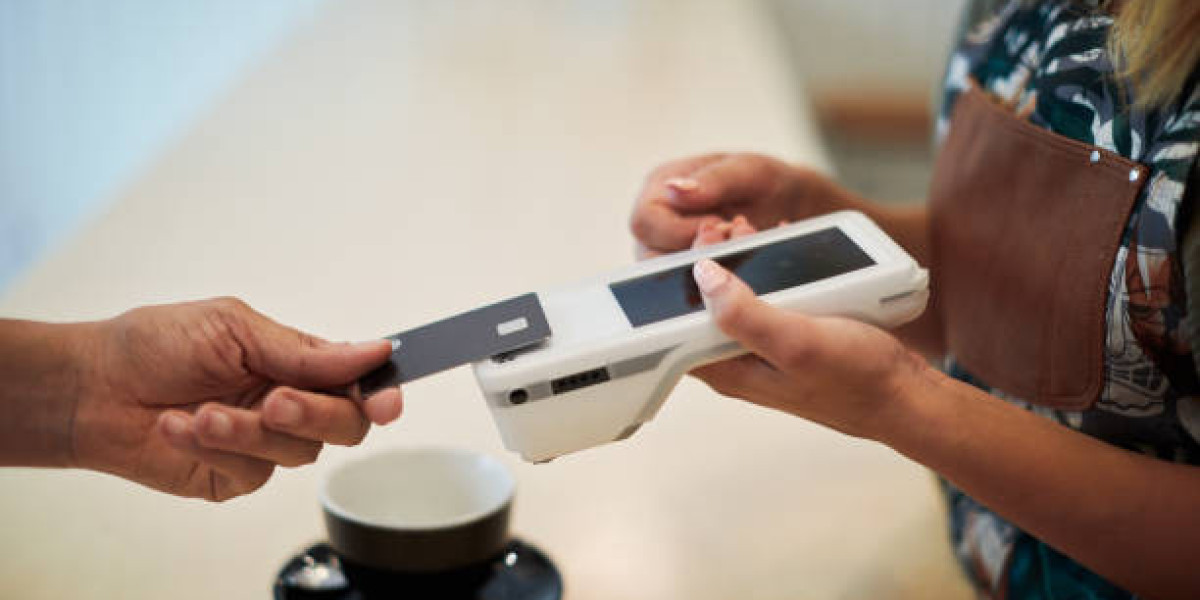
When someone taps your card to their phone, the chip triggers an action: it might open your digital contact page, LinkedIn profile, portfolio website, or a vCard that gets saved directly to their contacts. The whole process takes less than two seconds. No scanning, no downloading, no waiting. It's as close to magical as networking technology gets.
First Impressions Matter More Than Ever
At a networking event, the first 30 seconds of an interaction can define an entire professional relationship. Handing someone an NFC business card signals something powerful right away — that you're forward-thinking, tech-savvy, and genuinely invested in making the connection easy for them.
Contrast that with the paper card, which is too easy to lose, spill coffee on, or accidentally throw away. A well-designed NFC card with a premium finish — think matte black metal or a custom engraved logo — doubles as a conversation starter. People often remark on it, ask how it works, and remember you long after the event ends. In a room full of people trying to stand out, an NFC card does some of the heavy lifting for you.
Seamless Contact Sharing Without the Friction
One of the biggest frustrations at networking events is the manual data entry that comes afterward. People collect stacks of cards, then spend hours typing names, emails, and phone numbers into their CRM or contacts app. It's tedious, error-prone, and often gets pushed to the back burner until those contacts go cold.
NFC business cards eliminate this problem entirely. When someone taps your card, your information flows directly into their device. No typing, no transcription errors, no delays. Some NFC card platforms — like HiHello, Popl, V1CE, and Linq — even integrate with popular CRM tools such as HubSpot, Salesforce, and Zoho, allowing you to capture leads and follow up faster than your competitors. That kind of frictionless experience is exactly what busy professionals need.
You Can Update Your Info in Real Time
Here's something paper cards can never offer: the ability to update your contact information without reprinting. Got a new phone number? Changed your job title? Launched a new website? With an NFC business card, you simply log into your card's associated platform and update your profile. Anyone who taps your card going forward will see the new information instantly.
This is a game-changer for professionals who are in transition — whether they're between roles, rebranding their business, or simply evolving their personal brand. It also saves money in the long run. Instead of ordering a fresh batch of paper cards every time something changes, your NFC card works indefinitely. Platforms like Mobilo, Blinq, and Wave allow unlimited profile updates, making the cards a true long-term investment.
Environmentally Friendly and Sustainable
The environmental impact of traditional business cards is staggering. An estimated 100 billion paper business cards are printed every year globally, and the vast majority end up in the trash within a week of being handed out. That's a massive amount of paper, ink, and energy going to waste.
NFC business cards offer a sustainable alternative that eco-conscious professionals and businesses are increasingly gravitating toward. A single NFC card can replace hundreds or even thousands of paper cards over its lifetime. Many NFC card manufacturers — including companies like Greenstitch and EcoCard — use recycled or biodegradable materials, reducing the carbon footprint further. For companies with Environmental, Social, and Governance (ESG) commitments, switching to NFC cards is a small but visible step in the right direction.
Analytics and Lead Tracking Built Right In
Traditional paper cards offer zero insight into how they're being used. Did the person actually save your number? Did they visit your website? You'll never know. NFC business card platforms flip the script entirely by offering built-in analytics dashboards.
With most NFC card solutions, you can track exactly how many times your card was tapped, when and where those taps occurred, and which links were clicked most often. Some platforms even show you geographic data, giving you a sense of where your networking efforts are gaining the most traction. For sales professionals, recruiters, event sponsors, and startup founders, this data is incredibly valuable. It turns a simple card exchange into a measurable marketing touchpoint.
Works Without Requiring a Specific App
One common misconception about NFC business cards is that both parties need a special app for them to work. In reality, that's not the case with the best modern solutions. As long as the recipient has an NFC-enabled smartphone — which is standard on all iPhones since the iPhone 7 and most Android devices from the past several years — they can tap and receive your contact information instantly.
The card simply opens a browser-based landing page or triggers a vCard download, with no app installation required on the recipient's end. This removes a significant barrier to adoption and makes the experience seamless for everyone involved, regardless of their technical comfort level. It's a critical advantage at events where you're meeting people from diverse professional backgrounds and age groups.
Versatility That Extends Beyond the Event Floor
NFC business cards aren't just for in-person tapping. The best platforms come with a digital profile link that you can share via email, WhatsApp, LinkedIn messages, or even embed in your email signature. This means your NFC card becomes a central hub for your professional identity — online and offline.
Some cards also support QR codes on the back, giving you a dual-mode solution for situations where NFC isn't available — like older devices or environments with interference. Whether you're at a tech conference in San Francisco, a startup pitch event in London, or a trade exhibition in Dubai, your NFC business card works across all contexts and audiences. It's a single tool that adapts to every networking environment you'll ever find yourself in.
Team and Enterprise Use Cases Are Powerful
For businesses managing large sales teams or attending major industry expos, NFC cards offer an organizational advantage that paper cards simply can't match. Enterprise NFC card solutions allow marketing and HR teams to create branded card templates, assign individual cards to employees, and manage everyone's profiles from a central dashboard.
This ensures brand consistency across every touchpoint while giving each team member a personalized networking tool. Platforms like Popl for Teams, Mobilo Teams, and Linq for Business are specifically built for this use case, with features like role-based permissions, bulk card ordering, and CRM sync at scale. At large events like CES, SXSW, Web Summit, or industry-specific trade shows, a coordinated NFC card strategy can significantly boost a company's lead generation efforts.
The Verdict: NFC Cards Are the Future of Networking
The networking landscape has changed. The people who succeed at events today are those who make it easy for others to connect with them, follow up quickly, and leave a lasting impression. NFC business cards do all three simultaneously, without any of the clutter, waste, or data entry headaches of the old paper system.
Whether you're a freelancer, a startup founder, a corporate professional, or a creative entrepreneur, an NFC business card is one of the smartest investments you can make in your personal brand. It's affordable, eco-friendly, endlessly updatable, and genuinely impressive to anyone who receives it. The tap-to-connect era is here — and it's time to be part of it.
Frequently Asked Questions (FAQ)
Q1: Do NFC business cards work with all smartphones?
A: NFC business cards work with the vast majority of modern smartphones. All iPhones from the iPhone 7 onward (iOS 13+) support NFC natively, as do most Android devices released in the past five to six years. The recipient doesn't need to install any app — they simply tap the card to the back of their phone, and the information appears on screen automatically.
Q2: Are NFC business cards secure? Can someone accidentally access my information?
A: Yes, NFC business cards are generally very secure. The NFC chip requires close physical proximity — typically within 1 to 4 centimeters — to activate, which means casual passers-by can't skim your data from a distance. You also control exactly what information is shared on your profile, and reputable platforms use HTTPS encryption to protect your data in transit.
Q3: How much do NFC business cards typically cost?
A: The cost varies depending on the material and platform. Basic PVC NFC cards can start at around $10 to $20 each, while premium options in metal or bamboo can range from $30 to $80 per card. Most platforms charge a one-time card fee plus an optional subscription for advanced features like analytics and CRM integration. Many professionals find the ROI far exceeds the cost within just a few months.
Q4: What happens if someone's phone doesn't support NFC?
A: Most NFC business cards come with a QR code on the reverse side that works as a backup option. Users can scan the QR code using any smartphone camera app to access the same digital profile. Some platforms also provide a shareable link you can text or email as an additional fallback, ensuring no networking opportunity is ever lost due to device compatibility.
Q5: Can I use an NFC business card for multiple purposes or profiles?
A: Absolutely. Many platforms allow you to create multiple profiles linked to a single card — for example, one for your professional corporate identity and another for your side business or freelance work. Some advanced solutions even let you switch between profiles dynamically from an app, so you can tailor what you share depending on the context of each networking interaction.
Q6: Do I need an internet connection for NFC cards to work?
A: The NFC tap itself doesn't require an internet connection, but in most cases, the card will open a web-based profile page, which does require data or Wi-Fi to load. If you're using a vCard format where contact details are stored directly on the chip, it can work offline. Checking your specific card platform's offline capabilities before attending events in areas with spotty connectivity is a good practice.