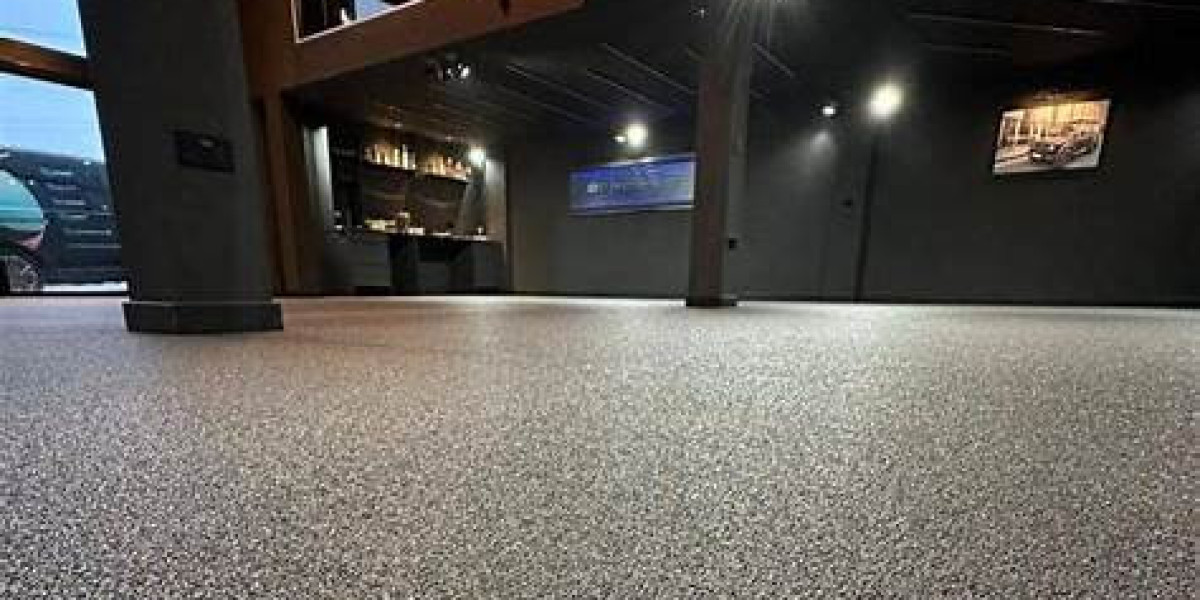

Residential quartz flooring has quickly become one of the most popular choices for homeowners who want durability, elegance, and low maintenance in one solution. Whether you are renovating your living room, upgrading your kitchen, or finishing a new build, quartz flooring offers a seamless and long-lasting surface that enhances both aesthetics and functionality.
In this comprehensive guide, we’ll explore what residential quartz flooring is, its benefits, installation process, maintenance requirements, design options, and why it may be the perfect choice for your home.
What Is Residential Quartz Flooring?
Quartz flooring is a decorative surface system made from natural quartz granules combined with high-performance resins, typically epoxy or polyurethane. The result is a hard, dense, and highly durable floor coating that is applied directly over concrete or other prepared substrates.
Unlike traditional tiles or hardwood floors, quartz flooring is seamless. This means there are no grout lines where dirt, moisture, or bacteria can accumulate. The smooth and uniform finish makes it ideal for residential environments that require both hygiene and durability.
Benefits of Residential Quartz Flooring
1. Exceptional Durability
Quartz is one of the hardest natural minerals. When combined with industrial-grade resin, it creates a flooring system that is highly resistant to:
Scratches
Impact
Stains
Chemicals
Heavy foot traffic
This makes quartz flooring perfect for high-traffic areas like kitchens, hallways, and living rooms.
2. Slip Resistance
One of the standout features of residential quartz flooring is its textured surface. The embedded quartz granules provide natural slip resistance, making it a safer option for:
Bathrooms
Laundry rooms
Entryways
Basements
This is especially beneficial for households with children or elderly family members.
3. Low Maintenance
Quartz flooring is non-porous and seamless, meaning dirt and liquids stay on the surface rather than soaking in. Regular cleaning usually involves:
Sweeping or vacuuming
Mopping with mild detergent
There’s no need for waxing, polishing, or special treatments.
4. Water and Moisture Resistance
Because of its resin base, quartz flooring is highly resistant to water and moisture damage. This makes it suitable for areas where spills are common, such as kitchens and bathrooms.
5. Aesthetic Versatility
Quartz flooring comes in a wide variety of colors and blends. You can choose from:
Neutral tones
Bold contemporary shades
Speckled patterns
Custom color combinations
The decorative flakes or granules can be adjusted to match modern, minimalist, or traditional interior designs.
Where Can Quartz Flooring Be Installed in a Home?
Residential quartz flooring is extremely versatile and can be installed in many areas, including:
Living Rooms
Its sleek and polished appearance enhances modern living spaces while offering resistance to daily wear.
Kitchens
Quartz flooring handles spills, dropped utensils, and heavy foot traffic effortlessly.
Bathrooms
The slip-resistant texture and waterproof nature make it an excellent alternative to tile.
Basements
Quartz floors resist moisture and humidity, which are common concerns in basement environments.
Garages
For homeowners seeking a durable and easy-to-clean garage floor, quartz systems provide a professional and attractive finish.
Installation Process
Proper installation is crucial for achieving long-lasting results. While professional installation is recommended, here is an overview of the process:
1. Surface Preparation
The existing surface, usually concrete, is cleaned and mechanically ground to ensure proper adhesion. Any cracks or imperfections are repaired.
2. Primer Application
A primer coat is applied to enhance bonding between the substrate and the quartz system.
3. Base Coat and Quartz Broadcast
A resin base coat is applied, and quartz granules are broadcast evenly across the surface. This creates the decorative and textured layer.
4. Topcoat Sealing
Once the base layer cures, a clear topcoat is applied to seal the surface, providing additional durability and protection.
The entire process may take several days depending on the size of the area and curing times.
Maintenance and Care Tips
Residential quartz flooring is relatively low maintenance, but following these simple tips will extend its lifespan:
Clean spills promptly to avoid residue buildup
Use soft-bristle brooms or microfiber mops
Avoid harsh acidic cleaners
Place protective pads under heavy furniture
With proper care, quartz flooring can last 15–20 years or more.
Quartz Flooring vs. Other Residential Flooring Options
Quartz vs. Tile
Quartz is seamless; tile has grout lines.
Quartz offers better impact resistance.
Tile may crack under heavy impact.
Quartz vs. Hardwood
Quartz is more resistant to moisture.
Hardwood requires refinishing over time.
Quartz does not warp or swell.
Quartz vs. Vinyl
Quartz is more durable and long-lasting.
Vinyl may peel or dent over time.
Quartz provides a more premium finish.
Cost Considerations
The cost of residential quartz flooring depends on:
Area size
Surface condition
Design complexity
Labor rates in your location
While quartz flooring may have a higher upfront cost compared to vinyl or laminate, its durability and low maintenance often make it more cost-effective in the long run.
Is Residential Quartz Flooring Right for You?
Quartz flooring is ideal for homeowners who:
Want a modern and seamless look
Need a durable and long-lasting solution
Prefer low maintenance flooring
Require moisture and slip resistance
It may not be the best choice for those seeking a traditional wood aesthetic or soft underfoot feel, but for durability and performance, it is hard to beat.
Final Thoughts
Residential quartz flooring combines strength, safety, and style in one highly versatile solution. From kitchens and bathrooms to basements and garages, it offers a seamless, slip-resistant, and visually appealing surface that can withstand everyday wear and tear.
If you are planning a home renovation or building a new property, quartz flooring deserves serious consideration. Its long lifespan, low maintenance requirements, and modern aesthetic make it a smart investment for homeowners who value both functionality and design.
By choosing residential quartz flooring, you are not just upgrading your floors — you are investing in a durable and elegant foundation for your home’s future.