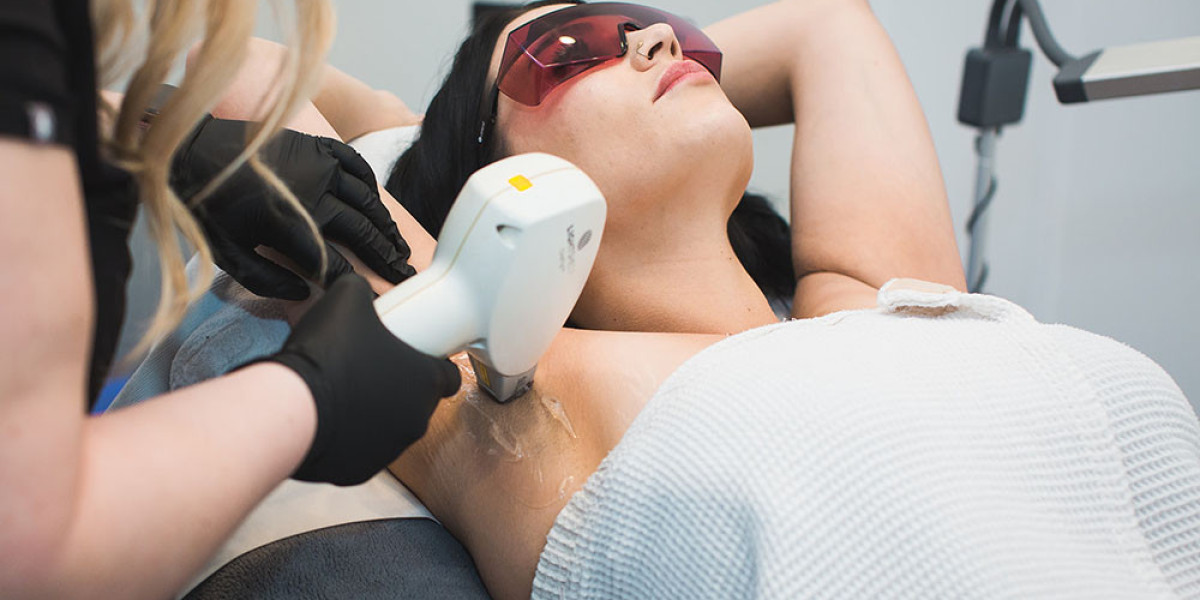

For anyone seeking a long-term solution to unwanted hair, Laser Hair Removal has become a popular and effective choice. Advances in laser technology have made it possible to safely target hair follicles while protecting the surrounding skin, but not all lasers are the same. Understanding the different types of lasers and how they work is key to achieving optimal results and selecting the best treatment for your skin type, hair color, and desired outcome.
Alexandrite Laser:
The Alexandrite laser is known for its fast treatment capability and is ideal for patients with light to olive skin tones. It operates at a wavelength of 755 nm, which allows for deep penetration and effective targeting of melanin-rich hair follicles. Key features include:
Efficient for large areas like legs and arms
Minimal discomfort due to integrated cooling systems
Quick sessions with fewer passes required
Best suited for coarse, dark hair
Less effective for very light or fine hair
Dermatologists often recommend Alexandrite lasers for patients seeking rapid treatment over extensive areas with optimal comfort.
Diode Laser:
Diode lasers use a wavelength of 800–810 nm, making them versatile for multiple skin types, including darker complexions. Their deeper penetration allows effective treatment of coarse and thick hair. Advantages of diode lasers include:
Safe for a wide range of skin tones
Effective for larger and smaller body areas
Adjustable settings for sensitivity and comfort
Proven long-term reduction in hair growth
Can be combined with cooling technology to reduce skin irritation
Diode lasers are a popular choice in clinics due to their balance between efficacy and safety across diverse patient populations.
Nd:YAG Laser:
Nd:YAG lasers operate at a 1064 nm wavelength, which penetrates deeper into the skin while minimizing melanin absorption. This makes them particularly effective for darker skin tones. Key points include:
Low risk of pigmentation changes in medium to dark skin
Effective for coarse hair, especially in sensitive areas
Requires multiple sessions for optimal results
May be less efficient on fine or light-colored hair
Often used for underarms, bikini area, and facial hair
The Nd:YAG laser is preferred for patients with higher melanin content who need safe and effective hair removal.
Ruby Laser:
Ruby lasers are one of the earliest forms of hair removal lasers, operating at a wavelength of 694 nm. They are primarily suitable for light skin tones and dark hair. Features include:
Precision in targeting small areas like eyebrows or facial hair
Slower treatment speed compared to newer lasers
May cause more discomfort due to minimal cooling technology
Less commonly used in modern clinics
Effective for coarse, dark hair but not ideal for darker skin
While Ruby lasers are less commonly used today, they can still be effective for very specific cases requiring high precision.
IPL (Intense Pulsed Light) vs. True Lasers:
Intense Pulsed Light (IPL) devices are often marketed alongside lasers but differ technically. IPL uses broad-spectrum light rather than a single wavelength, making it less targeted. Important considerations include:
Suitable for lighter hair and skin contrast
Less effective than lasers for thick or coarse hair
Often requires more sessions for noticeable results
Can be customized with filters to target specific hair types
Generally more affordable but may provide slower, less permanent outcomes
True lasers are preferred for patients seeking more precise and long-lasting results, while IPL can be a budget-friendly option for maintenance or lighter hair types.
Choosing the Right Laser:
Selecting the appropriate laser depends on several factors that professionals consider before treatment:
Skin tone and Fitzpatrick scale classification
Hair color, thickness, and density
Treated area size and sensitivity
Pain tolerance and comfort preferences
Desired speed and long-term effectiveness
A professional consultation ensures that the laser type, settings, and session plan are tailored to achieve the best possible results safely.
Pre-Treatment Considerations:
Proper preparation is crucial for successful hair removal outcomes. Key pre-treatment steps include:
Avoiding sun exposure and tanning for at least 2–4 weeks
Shaving the area 24 hours prior; do not wax or pluck
Avoiding certain skincare products, such as retinoids, that increase sensitivity
Informing your provider about medications, supplements, or skin conditions
Wearing comfortable clothing that allows easy access to the treated area
Following these guidelines minimizes side effects and ensures that the laser can effectively target hair follicles.
Expected Results and Maintenance:
Laser hair removal results vary depending on hair type, skin tone, and treatment adherence. General expectations include:
Noticeable hair reduction after 2–3 sessions
Significant improvement in density and growth after 6–8 sessions
Gradual thinning of hair with continued maintenance
Occasional touch-ups every 6–12 months to maintain smooth skin
Permanent reduction is possible, though hair may regrow in some cases
Regular follow-up sessions and proper aftercare maximize the longevity of results.
Safety and Side Effects:
Laser hair removal is generally safe when performed by trained professionals, but minor side effects may occur. These include:
Temporary redness, swelling, or mild irritation
Tingling or heat sensation during treatment
Rare pigment changes in the skin
Possible blistering if post-care instructions are not followed
Mild discomfort mitigated by cooling devices and topical numbing
Choosing the correct laser type for your skin and hair ensures a safer and more comfortable experience.
Complementary Approaches:
Many clinics combine laser treatments with complementary strategies to enhance hair reduction results. These may include:
Topical hair growth inhibitors or post-treatment soothing gels
Proper skincare routines to minimize irritation
Avoiding waxing or plucking between sessions
Nutritional support for overall skin and hair health
Lifestyle adjustments to reduce hormonal triggers that influence hair growth
Integrating these strategies can improve treatment outcomes and maintain hair-free results.
Final Thoughts:
Laser hair removal is a versatile, effective, and long-lasting solution for reducing unwanted hair. Understanding the different laser types—from Alexandrite and Diode to Nd:YAG and Ruby—helps patients and professionals select the most suitable option based on skin tone, hair type, and treatment goals. When paired with proper pre- and post-care, multiple sessions, and professional expertise, laser hair removal provides safe, smooth, and lasting results, making it a preferred choice for individuals seeking a convenient and reliable hair management solution.