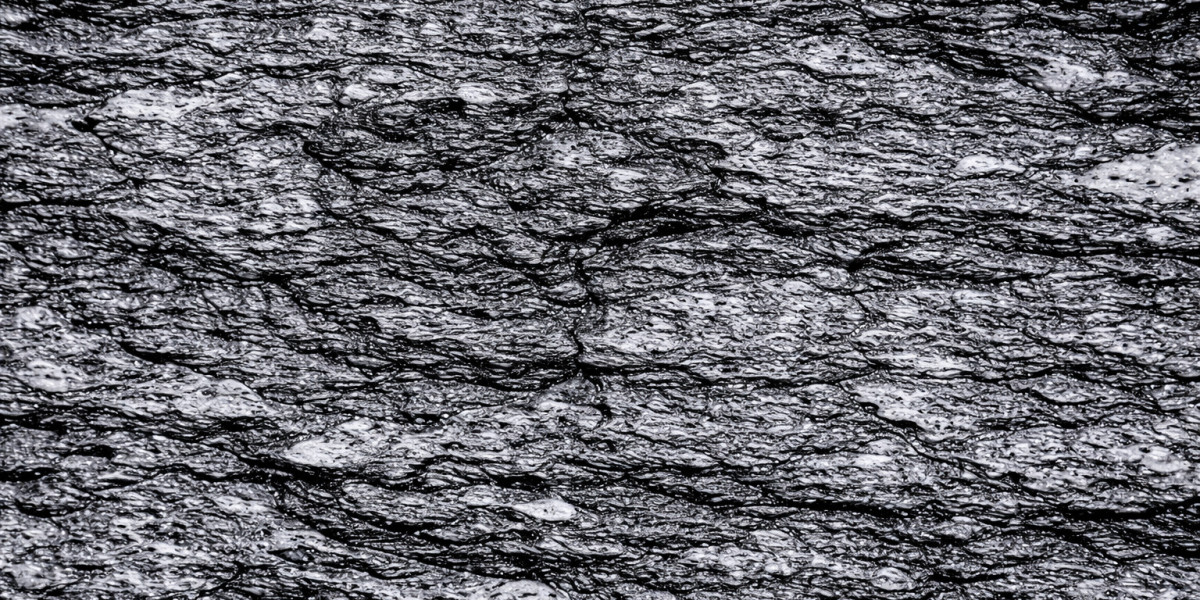

Graphite density is a fundamental physical property that defines the mass of graphite per unit volume. It directly influences the material’s strength, electrical conductivity, thermal performance, and durability. Graphite is widely used in batteries, electrodes, refractories, lubricants, and nuclear technology. Understanding graphite density is essential for selecting the right material for industrial and technological applications.
Atomic Structure and Its Impact on Density
Graphite consists of carbon atoms arranged in a layered hexagonal lattice structure. These layers are bonded strongly within the plane but weakly between layers, allowing them to slide easily. This layered arrangement influences graphite density because gaps and micro-pores may exist between layers. The more compact the structure, the higher the graphite density and mechanical strength.
Theoretical and Practical Density Values
The theoretical density of pure crystalline graphite is approximately 2.26 g/cm³. However, in real industrial applications, graphite density typically ranges between 1.5 g/cm³ and 1.9 g/cm³ due to porosity and impurities. High-density graphite is generally preferred for demanding applications because it offers improved conductivity and structural integrity.
Factors Affecting Graphite Density
Several factors influence graphite density, including raw material quality, particle size distribution, molding pressure, baking temperature, and graphitization conditions. Higher compaction pressure during manufacturing reduces porosity and increases density. Similarly, proper heat treatment eliminates volatile compounds and enhances structural bonding, leading to improved density.
Methods Used to Measure Graphite Density
Graphite density is commonly measured using mass-to-volume calculations. The Archimedes principle is widely used to determine true density by measuring displacement in a fluid. Advanced laboratory techniques also evaluate bulk density and apparent density for quality control. Accurate measurement ensures that the graphite meets performance standards for specific industrial uses.
Types of Graphite and Density Variations
Different types of graphite exhibit varying density levels. Natural graphite often contains impurities, slightly affecting its density. Synthetic graphite is engineered under controlled conditions to achieve specific density requirements. Expanded graphite has lower density due to its porous structure, while high-density graphite blocks are designed for heavy-duty industrial and electrical applications.
Importance of Graphite Density in Batteries
Graphite density plays a crucial role in lithium-ion battery performance. Higher density graphite anodes can store more energy within a compact space, improving battery capacity and efficiency. Density also influences electrical conductivity and mechanical stability, making it a key factor in advanced battery design for electric vehicles and renewable energy systems.
Industrial Applications of High-Density Graphite
High-density graphite is widely used in electric arc furnace electrodes, heat exchangers, molds, and nuclear reactors. Its superior strength and thermal resistance make it suitable for extreme temperature environments. In metallurgy, dense graphite ensures longer service life and improved efficiency in high-performance operations.
Advantages of Optimized Graphite Density
Optimizing graphite density improves durability, reduces porosity, enhances conductivity, and increases mechanical strength. High-density graphite materials perform better under stress and resist oxidation more effectively. These benefits make graphite a reliable material for industries requiring high-performance carbon components.
Challenges in Maintaining Uniform Density
Maintaining consistent graphite density during production can be challenging. Variations in raw materials, processing temperatures, and molding pressures can result in uneven density distribution. Manufacturers rely on advanced quality control systems and precise processing techniques to ensure uniformity and performance reliability.
Environmental and Economic Considerations
The production of high-density graphite requires energy-intensive heat treatment processes. This can increase production costs and environmental impact. However, modern manufacturing techniques focus on energy efficiency and recycling graphite materials to reduce waste and improve sustainability.
Future Developments in Graphite Density Technology
Ongoing research aims to improve graphite density through advanced compaction methods and nanotechnology. Enhanced density control can significantly improve battery performance, aerospace materials, and electronic components. As industries continue to innovate, graphite density optimization will remain a key focus in material science.
Conclusion
Graphite density is a critical property that determines the strength, conductivity, and performance of graphite materials. From battery technology to heavy industrial applications, controlling density ensures better efficiency and durability. Understanding and optimizing graphite density supports technological advancement and sustainable industrial development.